Can Dogs Eat Apples?


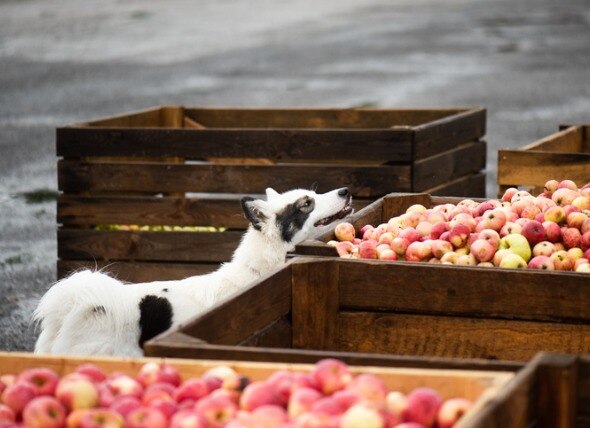
Dogs can safely eat apples when they are properly prepared and served in moderation.
Apples are a low-calorie fruit that contains fiber and vitamins, making them a healthy snack option for many dogs.
However, some parts of the apple should be avoided, and portion size is important to help prevent digestive upset and choking risks.
Key Takeaways
- Most dogs can safely eat apples in moderation.
- Remove the core, seeds, and stem before feeding apples to dogs.
- Apples provide fiber, vitamin C, and other nutrients.
- Too many apples can cause digestive upset.
- Apple treats should make up no more than 10% of your dog’s daily calories.
Can Dogs Eat Apples?
Yes, dogs can safely eat apples when the core, seeds, and stem have been removed.
Fresh apple slices are the safest option. Avoid apple products that contain added sugar, spices, or artificial sweeteners.
Most dogs enjoy apples as a crunchy, low-calorie treat that can be fed in moderation.
Benefits of Apples for Dogs
Apples are good for dogs when fed in moderation because they provide fiber, vitamins, and a low-calorie treat option.
While apples should not replace a complete and balanced diet, they can be a healthy snack or training treat for many dogs.
Source of Vitamin C
Apples contain vitamin C, which supports immune system function and overall health.
Most dogs receive adequate vitamin C from a balanced diet, but apples can provide a small additional source.
Natural Source of Energy
The natural sugars and carbohydrates found in apples can provide a quick source of energy, making them a popular pre-play or training treat.
High in Fiber
Apples contain fiber that may help support healthy digestion and regular bowel movements.
Fiber can also contribute to healthy blood sugar regulation when consumed as part of a balanced diet.
Low in Calories and Fat
Compared to many processed treats, apples are relatively low in calories and fat. This makes them a lighter snack option for dogs that need a healthier treat alternative.
Potential Risks of Apples for Dogs
While apples are safe for most dogs, there are several potential risks pet parents should be aware of before feeding them regularly.
Apple Seeds Contain Cyanide
Apple seeds contain trace amounts of cyanide, which can be toxic when consumed in large quantities.
Although a dog would need to eat a significant number of seeds to experience poisoning, it is still safest to remove all seeds before serving apples.
The Core Can Be a Choking Hazard
Apple cores are tough, difficult to chew, and may become a choking hazard, especially for small dogs.
Large pieces of apple core may also be difficult to digest and could contribute to intestinal obstruction risks.
Natural Sugar Content
Apples contain naturally occurring sugars that are generally safe in moderation.
However, feeding excessive amounts may contribute to weight gain, digestive upset, and blood sugar concerns.
Dogs with diabetes or other conditions that require strict dietary management should only be given apples with veterinary approval.
Digestive Upset and Diarrhea
Like many fruits, apples can cause digestive upset if fed in large amounts or introduced too quickly.
Some dogs may experience:
- Diarrhea
- Gas
- Stomach discomfort
Introducing apples gradually and feeding appropriate portions can help reduce the risk of digestive problems.
How Many Apples Can Dogs Eat?
Dogs can eat apples in moderation, but apples should only make up a small portion of their overall diet.
Like all treats, apples should account for no more than 10% of your dog’s daily calorie intake. The remaining 90% should come from a complete and balanced dog food diet.
The appropriate serving size depends on your dog’s size, weight, activity level, and overall health. Use the serving chart below as a general guideline. For reference, each apple piece should be approximately 1 inch wide and ¼ inch thick.
| Dog Size | Serving Size | Frequency |
|---|---|---|
| Extra-small dogs (2–10 pounds) | 1–2 pieces | Daily |
| Small dogs (11–20 pounds) | 2–3 pieces | Daily |
| Medium dogs (21–50 pounds) | 3–4 pieces | Daily |
| Large dogs (51–90 pounds) | 4–5 pieces | Daily |
| Extra-large dogs (91+ pounds) | 5–6 pieces | Daily |
If you are offering apples for the first time, start with a small amount and monitor your dog for signs of digestive upset, such as diarrhea or stomach discomfort.
If your dog tolerates apples well, you can gradually increase the amount up to the recommended serving size.
Because every dog is different, consult your veterinarian if you have questions about the appropriate portion size for your pet or if your dog has any underlying health conditions.
How To Feed Apples to Dogs Safely
To safely feed apples to dogs, wash them thoroughly, remove the core and seeds, and serve them in bite-sized pieces.
Preparing Apples for Dogs
Before serving apples to your dog:
- Wash apples thoroughly to remove dirt, pesticide residue, and contaminants.
- Remove the core, seeds, and stem before feeding.
- Peel the apple if your dog has a sensitive stomach or digestive issues.
- Cut apples into small slices or cubes to reduce choking risks and make them easier to chew.
Ways To Serve Apples to Dogs
Once prepared, apples can be offered in several dog-friendly ways:
- Fresh: Serve apple slices or cubes as a simple snack or training treat.
- Food topper: Chop or blend apples and mix a small amount into your dog’s regular food.
- Frozen KONG® treat: Blend apple pieces with dog-safe fruits such as bananas, blueberries, and strawberries, place the mixture in a KONG® toy, and freeze it for a refreshing enrichment treat.
- Fruit yogurt treat: Mix chopped or blended apples with plain, xylitol-free yogurt. Serve fresh, freeze inside a KONG® toy, or spread on a lick mat for a longer-lasting snack.
- Dehydrated apples: Because dehydration concentrates natural sugars, offer smaller portions than fresh apples. Avoid store-bought dried apples that contain added sugar, preservatives, or other unsuitable ingredients.
What Other Fruits Can Dogs Eat?
Apples are just one of several fruits that dogs can safely enjoy as occasional treats.
Many fruits can be healthy alternatives to processed treats when served in moderation and prepared properly.
Other dog-safe fruits include:
- Bananas
- Blueberries
- Cranberries
- Mango
- Peaches
- Raspberries
- Strawberries
- Watermelon
As with apples, always remove any pits, seeds, stems, rinds, or other inedible portions before feeding fruit to your dog.
If your dog prefers treats over fresh fruit, many commercially available dog treats are also made with fruit-based ingredients.
Can Dogs Eat Apples FAQs
Can dogs eat green apples?
Yes, dogs can eat green apples.
Green apples are safe for dogs, although their tart flavor may make them less appealing than sweeter varieties such as Gala or Honeycrisp apples.
Can dogs eat apple cores?
No, dogs should not eat apple cores.
Apple cores are tough, difficult to digest, and can create a choking hazard or contribute to intestinal blockage risks.
Can dogs eat apple skin?
Yes, apple skin is safe for most dogs.
Apple skin contains additional fiber and nutrients, but dogs with sensitive stomachs may tolerate peeled apples more comfortably.
Can dogs eat applesauce?
Yes, dogs can eat plain, unsweetened applesauce in small amounts.
Avoid applesauce products that contain added sugar, spices, preservatives, or artificial sweeteners such as xylitol, which is toxic to dogs.
Can dogs eat apple seeds?
A small number of apple seeds is unlikely to harm most dogs, but apple seeds should always be removed before feeding apples.
Apple seeds contain trace amounts of cyanide. While a dog would need to consume a very large quantity of seeds to experience cyanide poisoning, removing the seeds is the safest option.
Can dogs eat apples every day?
Many healthy dogs can enjoy small amounts of apple regularly, but apples should be treated as an occasional snack rather than a daily necessity.
Like all treats, apples should make up no more than 10% of your dog’s total daily calorie intake.