Dog Skin Infections: Symptoms To Look Out For and How To Treat Them


Anna Reshetnikova/iStock/Getty Images Plus via Getty Images
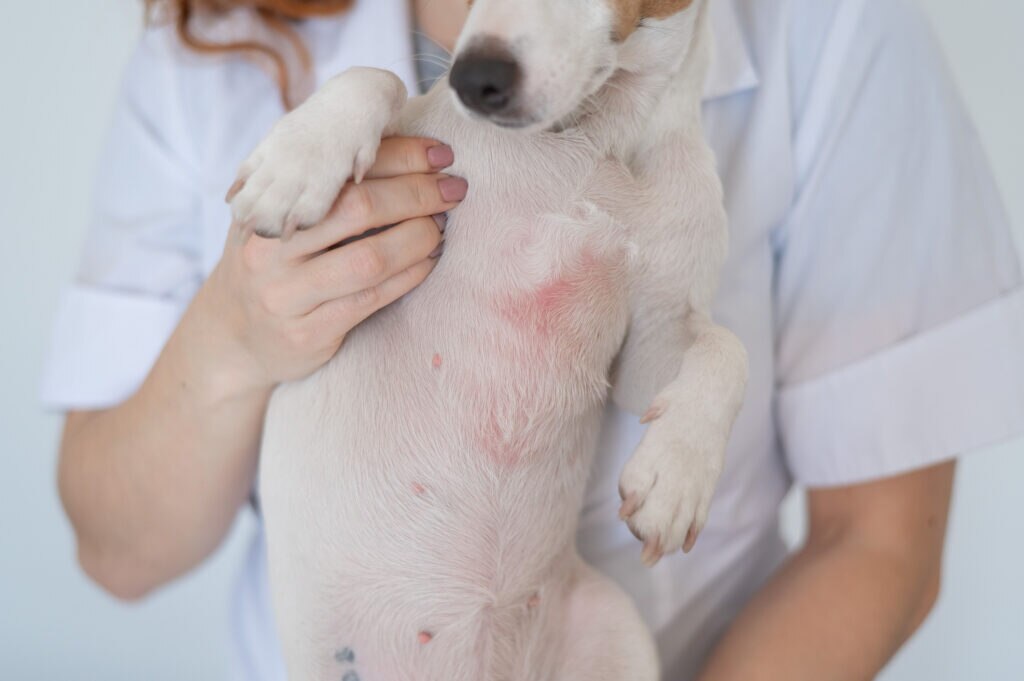
Skin infections in dogs are common and can be caused by bacteria, fungi, or parasites. They often cause symptoms such as itching, redness, bumps, hair loss, scabs, or skin odor, and many infections develop secondary to underlying issues like allergies, parasites, or skin irritation.
While some skin infections are mild, others can become painful or worsen without treatment, so it’s important to have your dog evaluated by a veterinarian if skin symptoms persist or spread.
Key Takeaways
- Skin infections in dogs are caused by bacteria, fungi, and parasites, and they can affect any area of the skin—including the ears, nose, hair, and nails.
- Common signs of skin infections in dogs include redness, bumps, itchiness, scratching, scales or flakes, crusts, hair loss, and discharge.
- Treating skin infections in dogs depends on the cause and often includes antibiotics or antifungals plus medicated shampoos or topicals; preventing repeat infections usually requires addressing underlying triggers like allergies.
What Are Dog Skin Infections?
Dog skin infections are conditions that are caused by infectious organisms such as bacteria, fungi, or parasites.
All areas of skin can be affected, including inside the ears and nose, as well as the hair and nails.
The severity of the disease depends on the type of infection and can vary from very mild to painful and itchy.
Some organisms that cause skin infections are contagious, which means the infection can be passed to another mammal, like a human, through direct contact or the environment.
There are also infections that are caused by organisms that normally live on the skin and are not considered contagious.
Dog skin infections are generally not emergencies.
However, they can be very uncomfortable. So if you notice your dog scratching so much that he’s bleeding or his whole body is affected, it’s important to see a veterinarian promptly.
If you notice additional symptoms such as a fever, extreme lethargy, or reduced appetite, this will warrant immediate veterinary attention.
Types of Dog Skin Infections
Types of common dog skin infections include:
-
Bacterial
-
Parasitic, such as mites
Health Tools
Get quick answers with our vet-created Symptom Checker
Symptoms of Dog Skin Infections
Common symptoms of dog skin infections include:
-
Redness
-
Itchiness (you may see your dog scratching, licking and/or chewing the skin)
-
Scales or flakes
-
Oozing or discharge (blood, pus, clear)
Causes of Dog Skin Infections
There are many causes of dog skin infections.
-
Some infections are primary infections—an infection directly caused by an infectious organism.
-
Other infections are secondary infections and occur because of an underlying disease process that triggers an infection.
Primary Infection
Scabies is an example of a primary parasitic skin infection. Dogs acquire scabies by direct contact with an infected animal.
The scabies mite then causes the clinical signs associated with the disease. Ringworm is an example of a primary fungal infection and is acquired due to contact with infected individuals or an infected environment, including soil.
Secondary Infection
A common example of a secondary skin infection is one due to skin allergies.
The allergies cause inflammation of the skin, which then provides an environment favorable to organism growth.
Bacteria or fungi that normally live on the skin are then able to multiply, leading to a bacterial or fungal skin infection.
How Veterinarians Diagnose Dog Skin Infections
Several basic skin tests are useful in diagnosing most dog skin infections. The most common are:
-
Skin scrapes: A dull scalpel blade is used to scrape the top layer of the skin; effective for finding skin parasites like demodex.
-
Skin cytology: A sample is collected by pressing a microscope slide directly to the skin lesion or via a needle and syringe, then looked at under the microscope for bacteria, fungi, or abnormal skin cells.
-
Tape preps: Clear tape is used to collect a sample of hair or skin to find bacteria, fungi, or parasites when viewed under the microscope.
-
Cotton swabs: A cotton swab is used to collect a sample, most often from inside the ear, to diagnose bacterial, fungal, or parasitic infections.
-
Cultures: A sample of skin, hair, or discharge is collected onto a growth plate to look for bacterial or fungal growth over time. This test can also be used to learn which antimicrobial medication is best to treat the infection.
Treatment of Dog Skin Infections
The treatment of a dog skin infection depends on the type of infection, the location of the infection, and the condition of the dog.
Bacterial skin infections are treated with oral (by mouth) antibiotics and/or topical products such as medicated shampoos, conditioners, sprays, and ointments.
Fungal infections are treated similarly, with antifungal medications, and parasites are treated with antiparasitic medications.
To help the skin heal and to prevent future infections, other treatments are used to support healthy skin.
For example, when treating an ear infection, special ear cleaners are used in addition to the antimicrobial medication.
Omega-3 fatty acid supplementation is another treatment used to help resolve and prevent infections.
Prevention is often the best medicine, and regular bathing and grooming can be helpful not only for treating skin infections but also in preventing them from occurring in the first place.
For secondary skin infections, it’s important to treat the primary cause of the secondary infection.
Skin allergies, for example, frequently require medications to reduce inflammation and allergic reactions. Treating a skin infection without treating the allergy will likely lead to another infection. Food allergies require special diets to reduce skin inflammation.
Examples of diets include Purina Pro Plan Hydrolyzed Diet or Blue Buffalo Novel Protein Diet.
If a food allergy is suspected, your vet will work with you to determine an appropriate food trial, to slowly remove certain ingredients and introduce possible allergies to determine the culprit.
Recovery and Management of Dog Skin Infections
The time it takes to treat a dog skin infection depends on the type of infection, the ability to treat primary causes of the infection, and the severity of the disease.
Sometimes the most difficult part of the recovery is sticking with treatments for as long as needed.
Some skin infections can be difficult to treat because of antimicrobial resistance. Antimicrobial resistance occurs over time when microbes develop defenses against our medications, making those medications ineffective. In those cases, treatment can take longer and may require further testing.
Infections can resurface, especially if the primary cause of the infection has not been treated or resolved. Dogs with chronic conditions such as allergies or other diseases are more likely to have repeat infections.
Managing dog skin infections successfully can be complicated, time-consuming, and expensive.
Following your veterinarian’s recommendations closely and being patient during the treatment period is important for resolving the infection and preventing recurrence in your pup.
Prevention of Dog Skin Infections
Keeping your dog’s skin healthy is the best way to prevent infections. Pet parents can do the following to support their dog’s skin health:
-
Ensure your dog receives regular veterinary wellness care to stay up to date on vaccinations and to identify health concerns early.
-
Keep your dog on year-round parasite prevention to support overall health.
-
Effectively manage any underlying health conditions by following all your veterinarian’s instructions closely.
-
Bathe your dog at least every two to four weeks with an oatmeal-based shampoo and brush their coat daily to support healthy skin and fur.
Dog Skin Infections FAQs
What can I give my dog for a skin infection?
Dog skin infections are caused by bacteria, fungi, or parasites. These require prescription treatment by a veterinarian to resolve. It’s important to never give your dog any medication before checking with your veterinarian first.
What does a bacterial skin infection look like on dogs?
Bacterial skin infections in dogs cause small skin bumps, red patches of skin, hair loss, and itchiness. If you notice these signs, bring your dog to a veterinarian for treatment.
What is the most common skin infection in dogs?
The most common skin infections in dogs are due to bacteria that normally live on the skin. When a dog’s immune system is weak or they have an underlying health condition, such as allergies, these bacteria can multiply and cause infection.