Cavalier King Charles Spaniel



Istock/Swanlake
The Cavalier King Charles Spaniel is a loving and affectionate companion dog.
They got their name from British royalty in the 17th century. King Charles I and his son Charles II were so fond of this breed that they took their dogs with them everywhere, including Parliament, according to the Cavalier King Charles Spaniel Club.
Cavalier King Charles Spaniels were bred to warm laps in drafty castles and on chilly carriage rides. These friendly dogs have a gentle nature that makes them an excellent choice for first-time dog parents. They’re currently ranked as the 14th most popular dog breed by the American Kennel Club (AKC).
Key Takeaways
- Cavalier King Charles Spaniels are affectionate, adaptable companion dogs who thrive on human interaction.
- These small dogs need moderate daily exercise, regular grooming, and weekly ear and eye checks to stay healthy and comfortable.
- The breed is prone to several inherited health conditions, making routine veterinary care and responsible breeding especially important.
- Cavaliers are eager to please, making them relatively easy to train with positive reinforcement.
- Because of their adaptability and friendly personality, Cavaliers are great fits for first-time pet parents.
Caring for Cavalier King Charles Spaniels
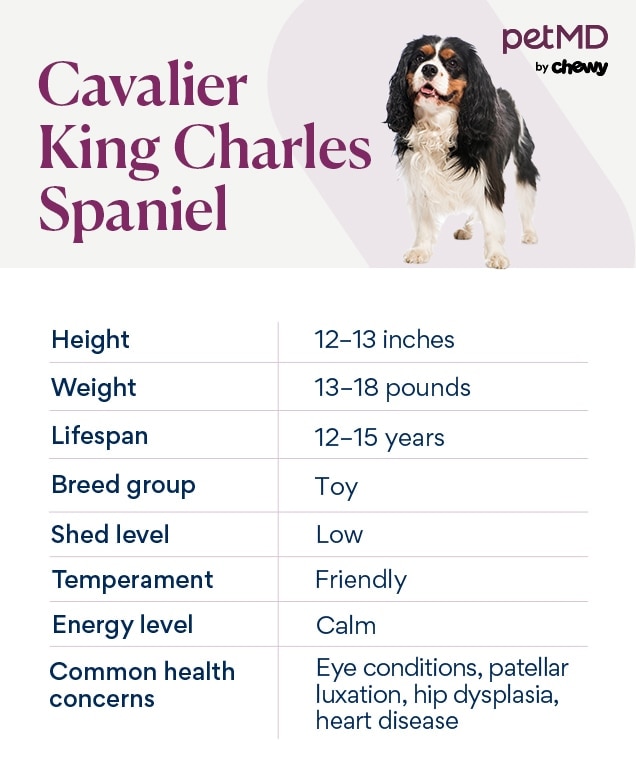
Cavalier King Charles Spaniels are small dogs that are typically 12–13 inches tall and weigh 13–18 pounds. They have naturally floppy ears, a long back, compact body, and deep chest. Cavaliers have a smooth, long coat that comes in four colors with distinct patterns:
-
Blenheim Cavalier King Charles Spaniels have reddish-brown and white fur, with a partial red mask, red ears, and red patches on a white body.
-
Tricolor Cavalier King Charles Spaniels are black and white with tan points.
-
Ruby Cavalier King Charles Spaniels are solid red dogs.
-
Black and tan Cavalier King Charles Spaniels have black fur with tan markings.
Do Cavalier King Charles Spaniels Shed a Lot?
Cavalier King Charles Spaniels don’t shed a lot, but regular brushing with a slicker brush will help manage loose hair. Professional grooming can help reduce the amount of upkeep you need to do at home.
Are Cavalier King Charles Spaniels Good Family Dogs?
Yes, Cavalier King Charles Spaniel are known to be great family dogs. They are known to be tolerant and patient, which allows them to get along well with children, cats, and other dogs.
The Cavalier King Charles Spaniel dog breed was created to be a companion, and today they prefer to stick by your side—or be in your lap.
How Much Exercise Do Cavalier King Charles Spaniels Need?
Like all dogs, Cavaliers need regular exercise and mental stimulation. They have moderate exercise needs, so two 20- to 30-minute walks every day is enough for them.
Once their energy needs are met, these calm dogs are happy to lounge on the couch with their family.
Cavalier King Charles Spaniel Temperament and Personality

The Cavalier King Charles Spaniel’s temperament is friendly and loyal. They make great family dogs and are known to be tolerant, patient, and good with other pets and young children. Interactions with small children should be supervised, however, to prevent grabbing or rough handling.
Although Cavaliers were bred to be lap dogs, they are descendants of the sporting family and enjoy moderate exercise and outdoor activities. They can do well with both active, athletic families and with homebody types who still prioritize their dog’s well-being with daily walks and playtime.
Cavalier King Charles Spaniels need human interaction and companionship to thrive and should not be left alone for long periods. They’re exceptionally friendly; good with both families and strangers; and can do well in many different living situations.
However, it’s not a good idea to let your Cavalier off-leash in an open area. A new smell might pique their interest and tempt them to run after it, causing your dog to possibly become lost or hurt. A fenced yard is recommended for a Cavalier King Charles Spaniel.
Training and Behavior Tips for Cavalier King Charles Spaniels

Cavaliers are eager to please and easy to train. They are smart dogs and excel at several canine sports including obedience, AKC Rally, and agility.
How To Train a Cavalier King Charles Spaniel Puppy
Begin training and socializing your Cavalier King Charles Spaniel puppy as soon as you bring them home. Proper socialization is important for helping puppies grow to be confident and comfortable in new situations as adults.
Always use positive reinforcement-based training with rewards like dog treats and favorite toys. Keep training sessions short and fun, like a game, and your Cavalier will pick up new cues quickly.
Are Cavalier King Charles Spaniels Easy To Train?
Yes, Cavalier King Charles Spaniels are known to be bright dogs that are eager to please their humans, often making them easy to train.
What Are Fun Activities for Cavalier King Charles Spaniels?
Are Cavalier King Charles Spaniels Easy To Train?
Yes, Cavalier King Charles Spaniels are known to be bright dogs who are eager to please their humans, often making them easy to train.
What Are Fun Activities for Cavalier King Charles Spaniels?
Cavalier King Charles Spaniel Health Issues
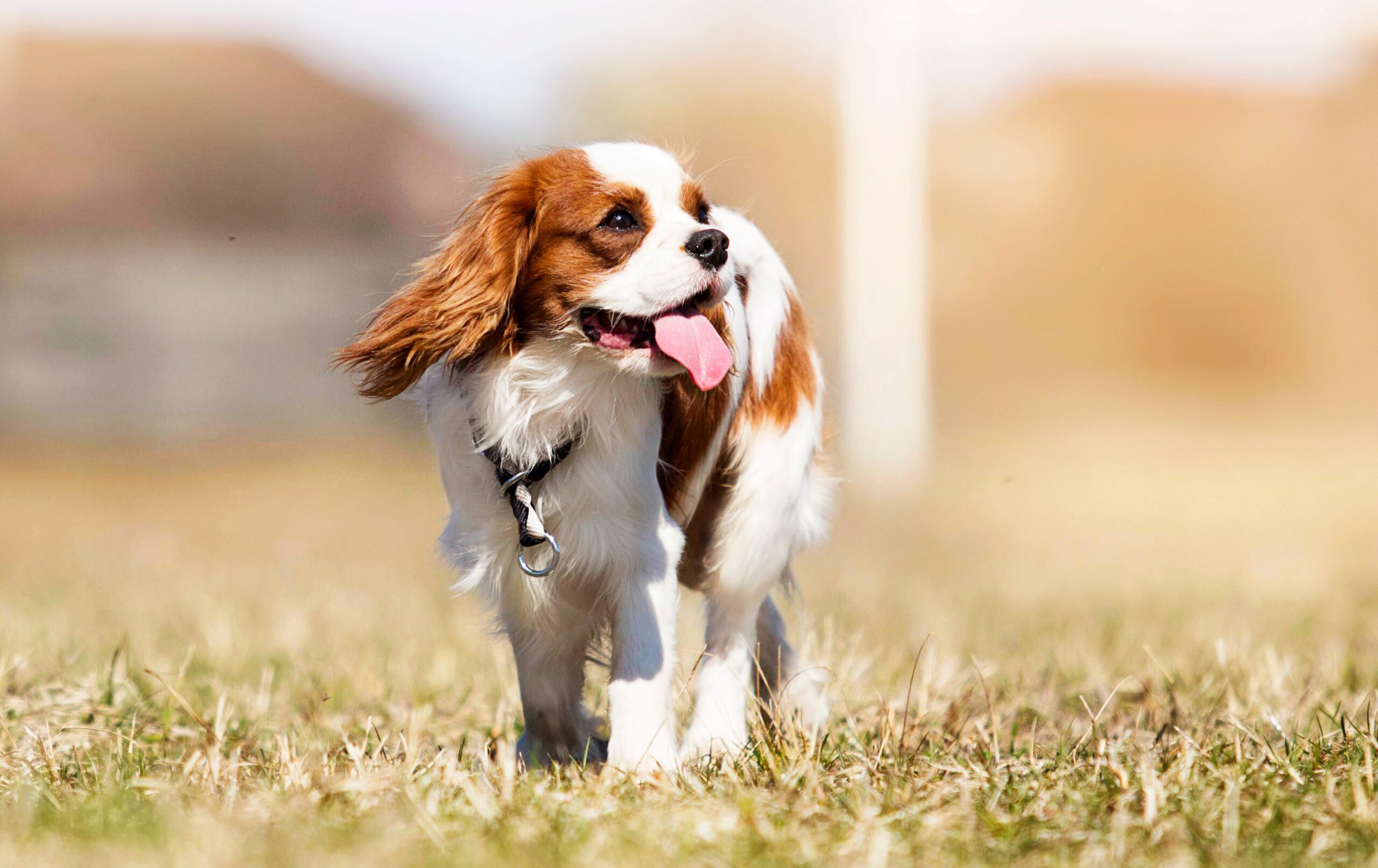
According to the AKC, the average Cavalier King Charles Spaniel lifespan is 12–15 years. However, they are prone to several medical conditions, including those listed below. And like all dogs, Cavaliers require routine physical exams.
Responsible breeders test dogs for health issues before breeding. Ask your vet what health screenings may be appropriate for your Cavalier. It may also be a good idea to purchase pet insurance when you bring home a Cavalier King Charles Spaniel puppy to offset any unexpected health costs.
Eye Conditions
Some Cavalier King Charles Spaniels are prone to eye conditions such as cherry eye, dry eye, retinal problems, and cataracts.
These can be detected through an eye exam, which is noninvasive, painless, and easily performed on the dogs during a routine vet visit. Your veterinarian uses specialized tools to look for any abnormalities in the back of the eye and the surface of the eye. They also check your dog’s ability to produce tears.
Common symptoms of eye problems in Cavalier King Charles Spaniels include:
-
Swelling in the corner of the eye
-
Squinting
-
Bumping into things
Depending on which eye condition is diagnosed, surgery or long-term eye medications might be necessary. Eye problems are considered urgent – do not wait and see with eye issues as they can be painful and cause permanent damage to the eye.
Patellar Luxation
Patellar luxation, or sliding kneecaps, often occur in small breed dogs, including the Cavalier King Charles Spaniel. This condition is usually noticed in the first 18 months of life, but it may be diagnosed at any time—even before your dog shows symptoms.
Patellar luxation causes limping, lameness, and “bunny hopping,” and usually affects both hind legs. Treatment depends on the severity, but often involves anti-inflammatory medications, exercise restriction, and surgery in severe cases.
Hip Dysplasia
Hip dysplasia is another Cavalier King Charles Spaniel health issue, where the thigh bone does not fit correctly into the hip bone. This can be a genetic condition or caused by environmental factors, such as obesity.
Dogs with hip dysplasia often show signs of pain, including limping and lameness, and systemic signs such as lethargy and anorexia are common.
Any dog who is going to be bred should have their hips evaluated by a veterinarian. This is done using X-rays on dogs as young as 4 months old so Cavalier King Charles Spaniels won’t pass this genetic condition to their puppies.
Mitral Valve Heart Disease
Heart disease, most commonly myxomatous mitral valve disease, is the leading reported cause of death in Cavalier King Charles Spaniels. Mitral valve disease is deterioration of the heart’s mitral valve, which normally keeps blood flowing in the correct direction.
When the mitral valve does not close normally, blood can leak backward into the left atrium. Over time, that backward flow, called mitral regurgitation, can make the heart work harder and may lead to enlargement and remodeling of the left atrium and left ventricle. Unlike other dog breeds with MVD, this condition almost always leads to congestive heart failure in Cavalier King Charles Spaniels.
Signs of MVD include:
-
Exercise intolerance
-
Difficulty breathing
Syringomyelia
Syringomyelia (SM), or “neck scratcher’s disease,” is a severe, inherited, and progressive neurological disease. It is usually diagnosed in Cavalier King Charles Spaniels between 6 months and 3 years of age, but it has been reported in dogs up to 10 years old.
This condition causes fluid buildup around the spinal canal, often from abnormalities of the brain and skull. It’s diagnosed using an MRI scan or by observing these classic clinical signs:
-
Scratching on or in the air near the shoulder when excited or walking on a leash
-
Yelping, whining, or whimpering in pain for no apparent reason
-
Weakness in the legs
-
Head shaking
-
Lip licking
Medical management helps but will not resolve all clinical signs. The only option for dogs with significant symptoms of disease is surgery to help alleviate pain.
What To Feed a Cavalier King Charles Spaniel

Cavalier King Charles Spaniels flourish on a complete and balanced diet that’s compliant with Association of American Feed Control Officials (AAFCO) standards.
It’s also important that their food is specifically formulated for a small or toy breed, as the kibble size is a bit smaller and aids in digestion.
The Best Diet for Cavalier King Charles Spaniel Puppies and Dogs
Hill’s Science Diet, Royal Canin, and Purina are among the most recommended brands of dog food. Royal Canin even manufactures dog food specifically made for Cavalier King Charles Spaniels. Always talk to your vet about which food is best for your dog.
How To Feed a Cavalier King Charles Spaniel
Cavalier King Charles Spaniel puppies should eat puppy food that is labeled for growth. Puppy food is formulated to support normal growth and development. Ask your vet how much to feed your puppy and when to switch to adult food.
Adult Cavaliers should eat a dog food that is labeled for maintenance. How much you feed is as important as what you feed, so ask your vet how much your adult Cavalier needs to eat daily and for dog food recommendations to support health and wellbeing.
When your Cavalier King Charles Spaniel reaches 7–8 years old, ask your vet if you should switch to a senior dog food. This food is often leaner, supports healthy digestion, and can contain added supplements, such as glucosamine for joint health.
Consider feeding your adult and senior Cavalier a low-fat or low-calorie diet, as maintaining lean body weight is best for dogs that are prone to orthopedic problems.
How Much Should You Feed a Cavalier King Charles Spaniel?
Cavalier King Charles Spaniel puppies should be fed three to four times a day to prevent low blood sugar. Adult dogs should be fed twice a day.
The amount of food you give your dog depends on factors including weight, health, and lifestyle. You can ask your veterinarian, follow the package instructions, or contact the dog food manufacturer—AAFCO-compliant diets have veterinary nutritionists—to help determine dietary requirements.
Nutritional Tips for Cavalier King Charles Spaniels
In general, if a dog is on an AAFCO-compliant diet, they are getting all necessary vitamins and minerals for healthy growth and development. But depending on the health and life stage of your Cavalier King Charles Spaniel, they might benefit from nutritional supplements.
Joint supplements such as glucosamine, chondroitin, and methylsulfonylmethane (MSM) are great for joint health. MSM has all-natural, anti-inflammatory properties. Research shows that reducing inflammation helps control pain associated with osteoarthritis, a common problem in dogs with joint issues.
Essential fatty acids such as omega-3 (high-quality fish oil) may have anti-inflammatory properties when given at appropriate doses. They are also known to help support eye, joint, kidney, and heart health.
Probiotics are also used to help improve digestive health and immunity. A generally healthy dog may not need probiotics, but during times of illness, stress, or malnutrition, probiotics are valuable to help restore balance to the body.
Cavalier King Charles Spaniel Grooming Guide
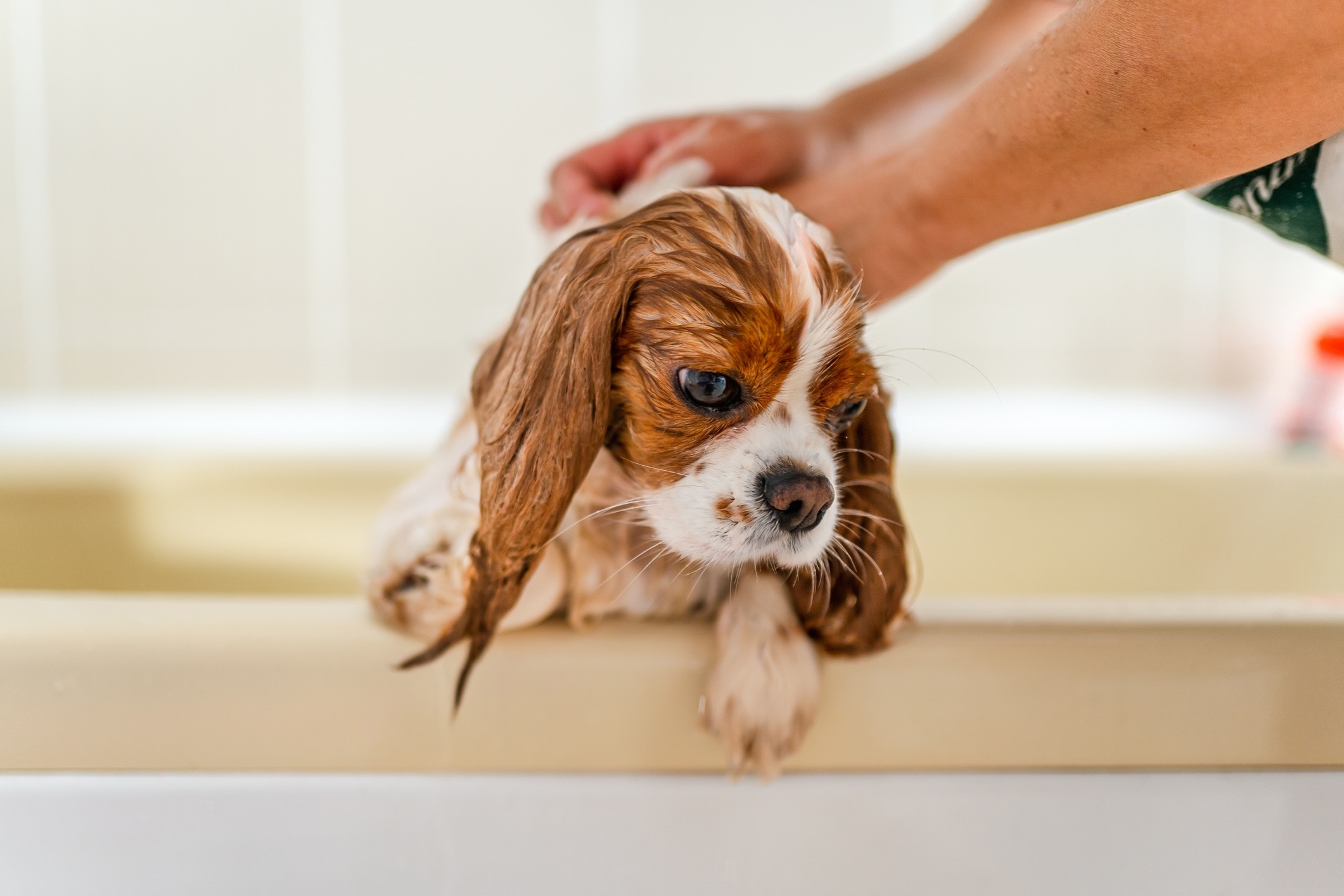
Cavaliers are easy to maintain with regular brushing using a bristle or pin brush to ensure the coat maintains its shine and doesn’t get tangled. How often you groom your dog depends on how long you keep your dog’s coat—the longer the dog’s hair coat, the more grooming is required.
Skin Care
Cavalier King Charles Spaniels should be bathed at least once or twice a month to help keep their coat healthy and skin free of irritants. A mild, soap-free, aloe- or oatmeal-based dog shampoo is best to keep their skin healthy and coat shiny.
Coat Care
Cavalier King Charles Spaniels have a long, silky coat that requires regular brushing. Brushing not only helps prevent tangles and matting, but it also redistributes skin oils, serves as a massage and grows the human-animal bond.
Cavaliers don’t shed a lot, but regular brushing will help decrease what shedding does happen. Professional grooming can help reduce the upkeep you need to do at home.
Eye Care
Because some Cavalier King Charles Spaniels have white or light-colored fur around the eyes, they can develop tear stains. Cleaning around your dog’s eyes with a warm washcloth or vet-recommended tear stain remover can help prevent this.
Along with normal tear staining, Cavalier King Charles Spaniels are prone to several health conditions. Check your dog’s eyes during normal grooming sessions and contact your vet if you notice any changes.
Ear Care
Cavalier King Charles Spaniels have long earflaps that are prone to ear infections. When infected, excessive itching and head shaking may cause ear hematomas. This occurs when the tiny blood vessels in the earflap burst, and a pocket of blood develops. It can be resolved by treating the underlying ear infection or with a surgical corrective procedure.
Your Cavalier’s ears should be checked weekly for signs of an infection such as redness, debris, and odor. Mild ear cleaners are recommended to keep the ear canals clean and dry.
Considerations for Pet Parents
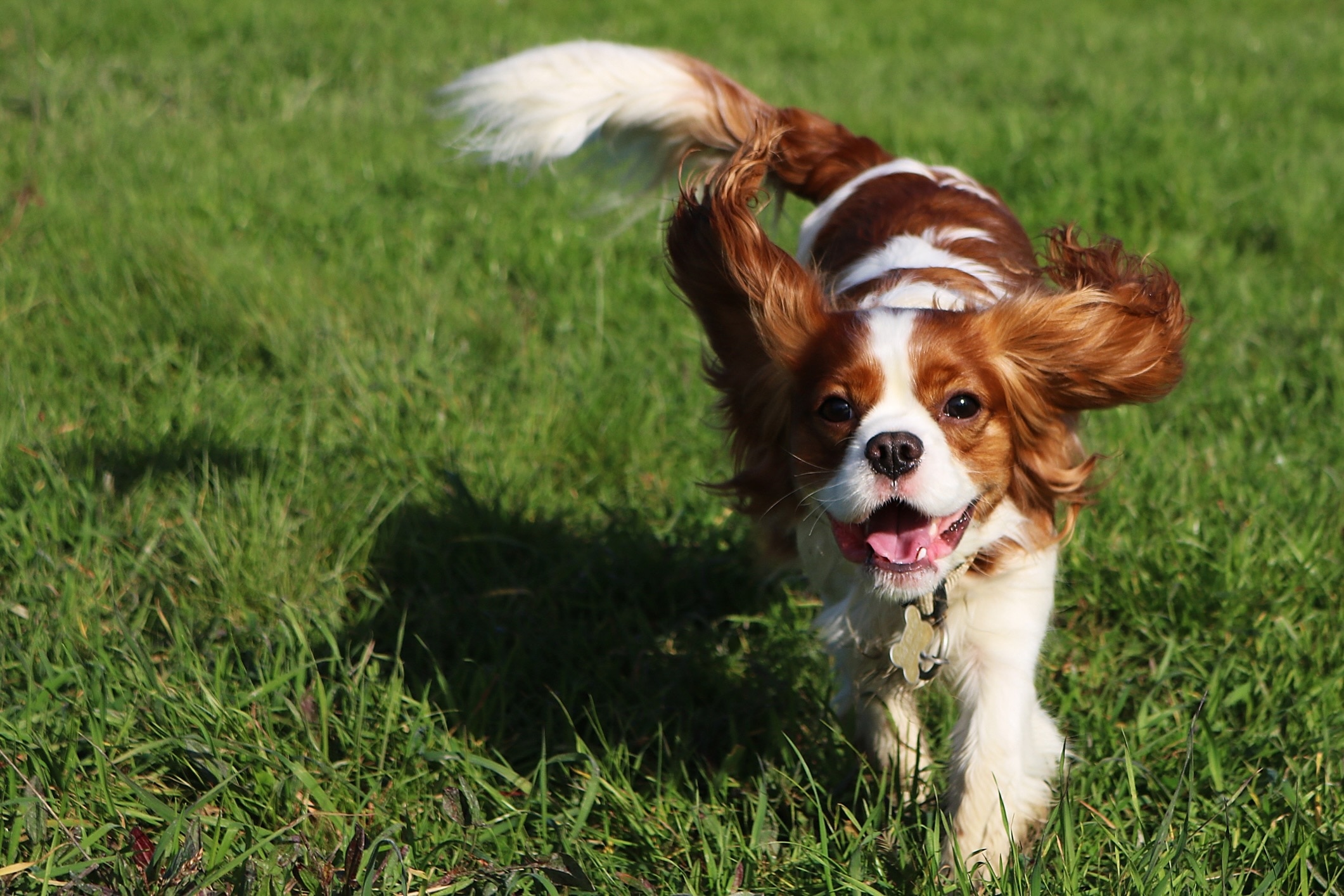
Cavalier King Charles Spaniels make great pets for just about any home or lifestyle. They can be active and enjoy frequent exercise, but they can also happily lie on the couch all evening.
When properly socialized, Cavaliers are good with other dogs and cats, and are happy in a large home or a small apartment. They require a moderate amount of exercise daily; two 20- to 30-minute walks are sufficient.
These dogs are very gentle, playful, and would make a great addition to a home with children. They enjoy playing with tug-of-war toys or running an agility course at the dog park.
They do shed some and have a long, feathered coat, so they need regular brushing—and they benefit from professional grooming a few times a year.
Cavalier King Charles Spaniel FAQs
Are Cavalier King Charles Spaniels hypoallergenic?
No, Cavalier King Charles Spaniels are not hypoallergenic dogs (though no dog breed is 100% hypoallergenic). Though they don’t shed heavily, Cavaliers can still trigger allergies in some people.
How much does a Cavalier King Charles Spaniel cost?
The average Cavalier King Charles Spaniel price varies and depends on many factors. But in general, you can expect to pay $1,000–$2,500 for a puppy. You might also find Cavalier King Charles Spaniels for adoption at breed-specific rescues.
Is the Cavalier King Charles Spaniel a good choice for an apartment?
Yes, Cavalier King Charles Spaniels often make great apartment dogs due to their friendly and adaptable temperament.
How big do Cavalier King Charles Spaniels grow?
A full-grown Cavalier King Charles Spaniel is 12–13 inches tall and weighs 13–18 pounds.
Should I buy a teacup Cavalier King Charles Spaniel?
No. Teacup dogs are bred to be as small as possible, often without prioritizing the dogs’ health. Be wary of a Cavalier King Charles Spaniel breeder who is advertising teacup puppies.