Why Is My Cat’s Eye Watering? Everything Pet Parents Should Know About Watery Eyes in Cats


Petra Richli/iStock/Getty Images Plus via Getty Images
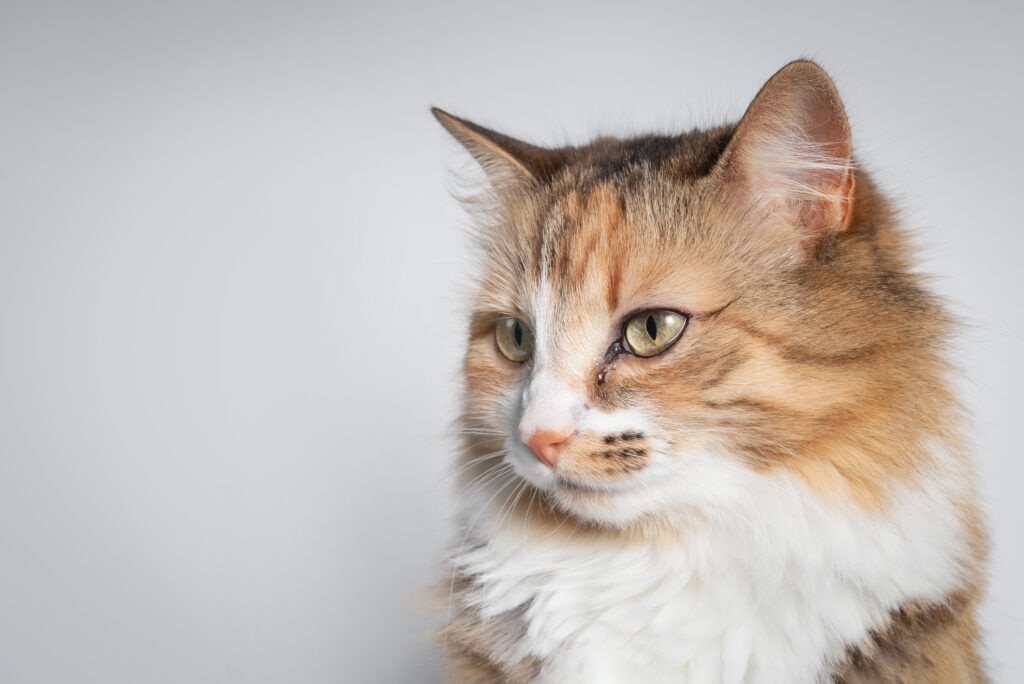
As a cat parent, you may be wondering—why is my cat’s eye watering?
Watery eyes in cats—also called epiphora—can happen for many reasons, including allergies, irritation, eye infections, scratches, or blocked tear ducts. While mild tearing can sometimes be temporary, ongoing watery eyes may be a sign of an underlying eye condition that needs veterinary attention.
If your cat’s eye is watering along with redness, squinting, swelling, or discharge, it’s best to contact your veterinarian.
Early treatment can help relieve discomfort and prevent more serious eye problems.
Key Takeaways
- If you’re asking, “Why is my cat’s eye watering?” the cause could range from mild irritation to a serious eye condition.
- Common causes of watery eyes in cats include allergies, infections, eye injuries, irritants, and blocked tear ducts.
- Symptoms like redness, cloudiness, thick discharge, or pawing at the eye should be checked by a veterinarian.
- Some cat breeds are more prone to chronic tearing because of their facial structure.
What Are Watery Eyes in Cats?
Watery eyes in cats occur when tears overflow from the eyes instead of draining normally.
Epiphora causes tears to accumulate on the surface of the eye and spill over onto the eyelids and the face.
A small amount of clear discharge from a cat’s eyes can be normal, but persistent or excessive tearing often indicates an underlying medical problem.
Health Tools
Get quick answers with our vet-created Symptom Checker
Symptoms of Watery Eyes in Cats
Common symptoms of watery eyes in cats include:
-
Wetness beneath the eyes
-
Staining of the fur beneath the eyes (often reddish-brown, especially in light-colored cats)
-
Redness and/or swelling of the skin under eyes
-
Excessive blinking
-
Redness and/or swelling of the pink tissue (conjunctiva) inside the eyelids
-
Changes to the color or clarity of the eye, such as redness or cloudiness
-
Pawing at the eyes
Why Is My Cat’s Eye Watering?
Watery eyes in cats occurs due to excessive tear production or insufficient tear drainage.
Underlying causes may include:
-
Blockage of the nasolacrimal duct, which drains tears from the eyes to the nose. This duct is why your nose gets runny when you cry, and your cat has this duct too. Blockage can be due to congenital failure of the duct to open, inflammation and debris within the duct, or tumors that block the duct.
-
Specific breed conformation that causes poor drainage, such as the flat face of Persians or Himalayans
-
Infections affecting the eye, such as feline herpesvirus, which often causes an upper respiratory infection
-
Eye injury, such as a scratch on the cornea during a cat fight (corneal ulcers)
-
Abnormal growth of eyelashes that rub on the cornea (distichiasis and ectopic cilia)
How Veterinarians Diagnose Watery Eyes in Cats
Veterinarians diagnose watery eyes in cats with the following tests:
-
Detailed eye examination with special lights
-
Fluorescein stains of the eyes to check for corneal ulcers
-
Tear production testing, also called the ,Schirmer tear test
-
Examination of tear duct drainage
-
Tests for infectious disease if indicated, using blood or eye secretions
Treatment of Watery Eyes in Cats
Treatment of watery eyes in cats is geared toward managing the underlying cause of epiphora.
In cats that have epiphora due to their facial conformation, like Himalayans, management will focus on keeping the face clean. Use eye-safe cat wipes to clean under the eyes.
For cats with eye infections, medications include topical antibiotics (such as oxytetracycline or triple antibiotic ointments intended for pets) or topical antivirals like idoxuridine.
In cats with other signs of upper respiratory infection, like nasal discharge, or in cats who don’t tolerate eye drops, antibiotics given by mouth such as doxycycline or azithromycin may be recommended.
Cats with eyelid abnormalities or abnormal eyelashes typically require surgery. For example, in cats with rolled-in eyelids, surgery can evert the eyelid so that eyelashes don’t rub on the cat’s cornea. In cats with ectopic cilia, the abnormal hair may be surgically removed,or the hair follicle may be frozen to prevent regrowth (cryosurgery).
If the nasolacrimal duct is blocked, a small tube is sometimes placed in the opening of the duct to allow the veterinarian to flush saline through it. Flushing the duct may help to clear it. If there is an infection, the cat should be started on oral antibiotics like doxycycline. In some cases, surgery may be required for treatment.
Although tumors causing blockage of the nasolacrimal duct are relatively rare, they should be considered in a cat that has a new nasolacrimal duct blockage without evidence of infection. If your cat has a tumor, treatment options may include radiation therapy, chemotherapy, or surgery.
These tumors are best managed by a veterinary oncologist.
Recovery and Management of Watery Eyes in Cats
Most causes of watery eyes in cats are manageable, and cats generally do very well with prompt treatment.
Some cats may have watery eyes long-term, but they can be managed by cleaning their face with gentle, unscented, pet-friendly wipes.
A buildup of moisture can cause an infection of the skin around the eyes. If you notice that the skin around the eyes appears irritated, call your vet.
If the cause of the watery eyes in cats is an injury or something that causes irritation, a cat cone may be recommended to keep your pet from scratching at or rubbing the eye.
Prevention of Watery Eyes in Cats
Preventing watery eyes in cats depends on the underlying cause.
While not all causes are able to be prevented, these steps can reduce the risk of eye irritation, infection, and disease:
-
Keep eyes clean:
-
Gently wipe tears or discharge with a soft damp cloth.
-
Do not use the same cloth for both eyes.
-
Avoid human eye drops or human eye solutions unless directed by your veterinarian.
-
-
Reduce exposure to irritants:
-
Common household irritants like cigarette smoke, dusty cat litter, aerosol sprays, essential oils, diffusers, perfumes, scented candles, and cleaning products.
-
-
Keep up with routine vet visits and vaccinations.
-
Prevent eye injury:
-
Keep cats indoors
-
Introduce new pets slowly and carefully to avoid fighting
-
-
Regular grooming (especially in longhaired cats)
-
Watch for early signs of eye disease. Prompt treatment of any minor eye issue can help prevent the issue from becoming more serious.
Watery Eyes in Cats FAQs
Should I be worried if my cat's eyes are watery?
A small amount of water discharge can be normal in some cats. If the discharge becomes excessive or persists, a vet visit is recommended to ensure there is no underlying medical issue that needs to be treated.
How can I treat my cat's watery eyes at home?
Depending on the underlying cause of the watery eyes, there are some things you can do at home. Warm damp cloth wipes, reducing environmental irritants, pet-friendly eye washes, and grooming around the face can help.
Why is just one of my cat’s eyes watering?
One eye can be watery for many reasons. Upper respiratory infections, trauma, and blocked tears ducts are common causes of one watery eye in cats.
What are signs of a blocked tear duct in cats?
Signs of a blocked tear duct in cats are excessive tear drainage onto the eyelids and face, crusting in the inner corner of the eye, brown or reddish tear staining, and skin irritation of the face. You might also notice your cat squinting or pawing at their face as a sign of discomfort with a blocked tear duct.