How To Socialize a Puppy and Why It’s So Important


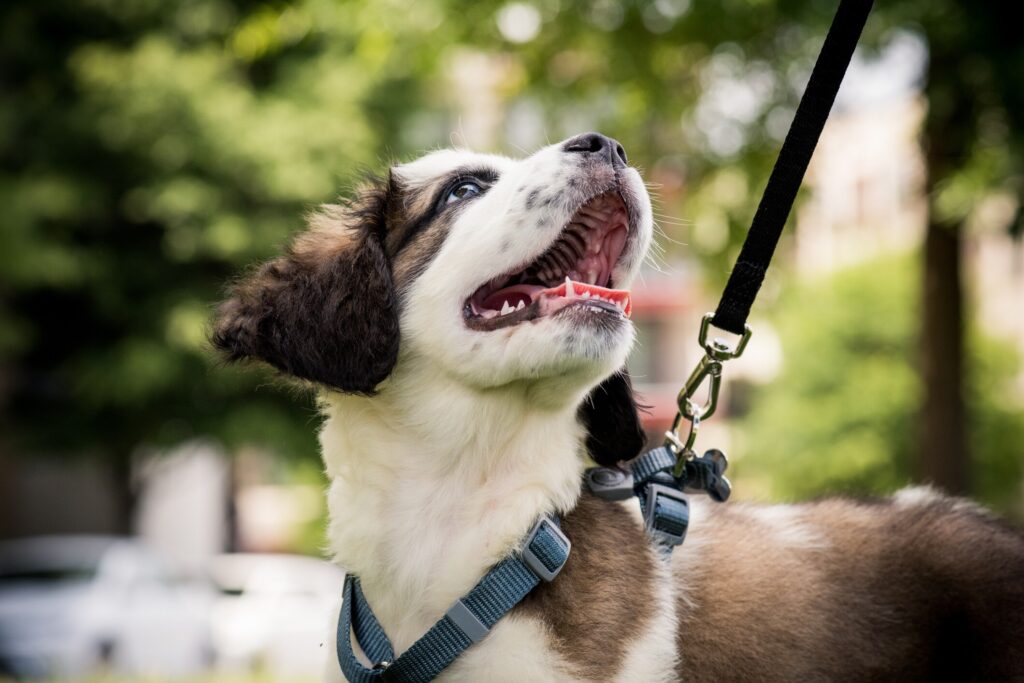
Puppy socialization helps puppies learn to interact with people, other animals, and the outside world.
Socializing a puppy during the first few months of life helps them become comfortable with the different sights, smells, sounds, objects, people, and animals they’ll encounter throughout their life.
Here’s why puppy socialization is so important and how to do it.
Key Takeaways
- Puppy socialization helps puppies become comfortable with new people, animals, sights, sounds, smells, objects, and surfaces.
- The socialization period typically occurs from 3–12 weeks of age, although it may extend to 16 or 20 weeks for some puppies.
- Introduce new experiences gradually and use praise, treats, and affection to make them positive.
- Socialization should continue at least two or three times a week until the puppy is at least 6 months old, with continued exposure into adolescence.
- Talk to your veterinarian about how to socialize your puppy safely before they are fully vaccinated.
What Is Puppy Socialization?
Puppy socialization is the process of exposing a puppy to new experiences to help them become comfortable with different people, animals, sights, sounds, smells, objects, and surfaces.
The socialization period is the time in a puppy’s life when they learn how to be a social member of the dog world, typically at 3–12 weeks old. During this period, the puppy’s brain is most receptive to introductions and interactions with other dogs.
Pet parents can use the socialization period to expose their puppy to new experiences. These experiences allow the puppy to acclimate to new stimuli and mature into a well-adjusted dog.
Socialization helps puppies become comfortable with:
- New sights, sounds, and smells
- Different objects and surfaces
- People of all ages, sizes, and ethnicities
- Children
- Other dogs
- Other animal species
Why Is Socializing a Puppy Important?
Puppy socialization is important because early exposure to new situations helps puppies become comfortable with the different experiences they may encounter throughout their lives.
Dogs are expected to navigate many stimuli in the modern world. Many dogs live in cities with busy streets and cars, buses, and trucks roaring by and honking from every direction.
They may encounter fast-moving objects such as joggers, cyclists, and skateboarders, as well as novel stationary objects such as garbage cans, statues, or inflatable holiday decorations.
Strangers and children might approach your dog and want to pet them, sometimes without asking permission. Some pet parents may also want to take their dog to outdoor cafés or pubs or to an off-leash dog park.
Early exposure to these situations can help your puppy become comfortable when faced with them in the future.
Puppies that have not been exposed to experiences outside the limited world of their home may be more fearful and anxious. They may mature into fearful, anxious adult dogs that have a higher likelihood of behavioral disorders.
When Should You Socialize a Puppy?
The best time to socialize a puppy is from 3–12 weeks of age.
3–8 Weeks of Age
Because most puppies go to their forever home at 8–12 weeks old, early socialization between 3–8 weeks of age should be performed by the breeder or, if the puppy is from a rescue or shelter, by foster parents or shelter staff.
8–12 Weeks of Age
Most puppies go to their forever home during this part of the socialization period.
Extended Socialization Period
For some puppies, the socialization period may extend to 16 or 20 weeks. This extended period is influenced by the breed and the individual puppy.
How To Socialize a Puppy
To socialize a puppy, introduce them to the outside world while taking precautions to keep them safe from potential illness. Talk to your veterinarian about how to safely socialize your puppy based on their vaccination status.
Socializing a Puppy Before They’re Fully Vaccinated
Taking your puppy into a public place isn’t recommended until they’re fully vaccinated because puppies can be exposed to serious illnesses such as parvovirus, leptospirosis, and kennel cough.
If your puppy isn’t fully vaccinated, there are workarounds you can use during socialization outings. For example, you can set up a blanket area to the side of a busy public space and have your puppy stay on the blanket.
Only let your puppy interact with healthy, fully vaccinated dogs. Avoid letting your puppy walk on the ground in public areas frequented by dogs, as this poses an infection risk.
Instead, use a stroller or sling, or carry your puppy.
Talk to your veterinarian for guidance on keeping your puppy safe while socializing them.
1. Prepare Your Puppy
Before taking your puppy outside for socialization, make sure you have the supplies needed to keep them comfortable and prepared for the outing. This includes:
- A treat pouch filled with a variety of high-value, tasty dog treats
- A collar and fitted harness
- A leash
- Fresh water and a portable water bowl
- Chew toys
- Poop bags
- Pet-safe sanitary wipes for any necessary cleanup
- A mat or blanket for your puppy to rest on
- Hand sanitizer for anyone who wants to pet your puppy
- A pet carrier, body sling, or puppy stroller so your puppy can rest when tired or retreat to a safe space if they become overwhelmed
2. Provide Positive Reinforcement
The goal of puppy socialization is to show your puppy that the outside world is an interesting, positive, and fun place to be. Make sure your puppy is having a good time by offering plenty of praise, treats, and affection.
Give your puppy a break if they seem tired or scared.
3. Take It Slow With New Stimuli
Introduce your puppy to new objects and experiences slowly. Start at a distance where your puppy can observe the new stimulus without feeling overwhelmed.
Watch your puppy’s body language for negative responses, such as:
- Pulled-back ears
- Looking away
- Shaking
- Lip-licking
- Vocalizations such as whining or whimpering
If your puppy is fearful or anxious, move them farther away from the object.
If your puppy has their ears forward, is looking at the object, is wagging their tail, and/or is moving forward, you can slowly approach the new object.
If your puppy becomes startled, quickly distract and redirect their attention to you or a toy. This can help reduce the possibility of your puppy becoming scared and developing a negative emotional response to the experience.
Your puppy doesn’t need to experience everything at once, especially in a busy public place. A short exposure or moving a few steps closer to a desired location can be enough for their first few experiences. Gradually build on these positive experiences instead of rushing your puppy.
4. Make Introductions to People
Allow your puppy to have brief, positive interactions with adults and children.
If you don’t know anyone with children, take your puppy to a park and sit on a blanket near the playground, allowing your puppy to see and hear children.
Do not allow other people to pick up your puppy, as this could potentially scare them.
5. Enroll in Puppy Socialization Classes
Puppies can enroll in socialization classes once they have been dewormed, tested negative for intestinal parasites, and received their first DHPP/DA2PP vaccination.
What Puppies Experience in Socialization Classes
During puppy socialization class, puppies are expected to meet and interact with other puppies of different breeds, ages, and sizes, along with people and potentially children.
Class instructors should also introduce puppies to:
- Different surfaces to walk on
- Different toys
- New objects, such as skateboards, wheelchairs, shopping carts, rolling suitcases, and bicycles
- Noises the puppy is likely to hear in life
Choose Positive Reinforcement Classes
Puppy socialization classes can last four to six weeks and focus on the basics of positive reinforcement training.
Avoid classes that use aversive techniques and tools, as punitive handling and training methods can increase fear and anxiety and weaken the human-animal bond.
Continue Socialization Outside of Class
Many puppy socialization classes only meet once a week. The rest of the time, pet parents must continue taking their puppies out to meet the world.
Pet parents who are short on time may wish to enroll their puppy in a second class to provide additional opportunities to meet new people and other dogs during their short socialization period.
6. Create a Socialization Schedule
Puppy socialization should be performed at least two or three times a week until the puppy is at least 6 months old.
Some pet parents invest a lot of time in socialization during the first four months of their puppy’s life but then stop participating in activities outside the house. Without repeated and continuous exposure, some puppies may regress or become fearful when exposed to new situations as adults.
Continue Socialization Into Adolescence
Puppies should continue to be exposed well into adolescence to situations you want them to be able to tolerate as adult dogs, including:
- Going on car rides
- Riding in an elevator
- Walking past a group of people
- Hiking on a trail
Tips for Socializing a Puppy
When working on puppy socialization, expose your puppy to a variety of people, places, surfaces, and experiences while paying attention to their comfort and safety.
- Take short walks in different environments. Bring your puppy on short walks during the day and night through different neighborhoods.
- Introduce different walking surfaces. Expose your puppy to concrete, asphalt, grass, dirt, gravel, sand, and metal plates or grates.
- Choose walking areas carefully. Walk your puppy in places where there are no stray, sick, or unvaccinated dogs. Sunlight kills parvovirus, so the risk of contracting it when walking a puppy on clean, dry pavement is lower. Talk to your veterinarian for guidance.
- Avoid areas contaminated with dog feces. Avoid walking your puppy in areas such as dog parks and beaches until they have received their final vaccine at 16 weeks old.
- Arrange playdates with healthy, vaccinated dogs. You can also spend time in areas with no history of parvovirus infection, such as your backyard.
- Use a blanket at local parks. Bring your puppy to local parks, but don't let them walk on the grass until they've received all their vaccinations. Let your puppy play on a clean blanket on the ground or sit next to you on a blanket on a park bench.
- Introduce your puppy to different people. Introduce them to people of all ages, sizes, heights, and ethnicities.
- End the outing if your puppy isn't enjoying it. Frightening experiences can negatively impact your puppy's mental and behavioral development.
Puppy Socialization FAQs
What age should you socialize a puppy?
The best time to socialize a puppy is from 3–12 weeks of age. For some puppies, the socialization period may extend to 16 or 20 weeks depending on the breed and individual puppy.
How often should you socialize a puppy?
Puppy socialization should be performed at least two or three times a week until the puppy is at least 6 months old. Puppies should continue to be exposed to situations you want them to tolerate as adult dogs well into adolescence.
Can you socialize a puppy before they’re fully vaccinated?
Avoid taking puppies into public places until they’re fully vaccinated. Before then, puppies can experience public spaces from a blanket, stroller, sling, or while being carried.
Only let your puppy interact with healthy, fully vaccinated dogs, and talk to your veterinarian about how to socialize your puppy safely.
What are signs that a puppy is overwhelmed during socialization?
Signs can include pulled-back ears, looking away, shaking, lip-licking, whining, or whimpering. If your puppy is fearful or anxious, move them farther away from the object or experience.
Should you take a break from socialization if your puppy is scared?
Yes. Give your puppy a break if they seem tired or scared. If an experience is overwhelming, increase the distance and gradually build on positive experiences rather than rushing your puppy.