Dog Seasonal Allergies: Causes, Symptoms, and Treatment


Adobe_stock/Samara
Similar to humans, dogs can have seasonal allergies. Dog seasonal allergies happen when a dog’s immune system overreacts to environmental triggers like pollen, grass, mold, or dust that are more prevalent at certain times of year.
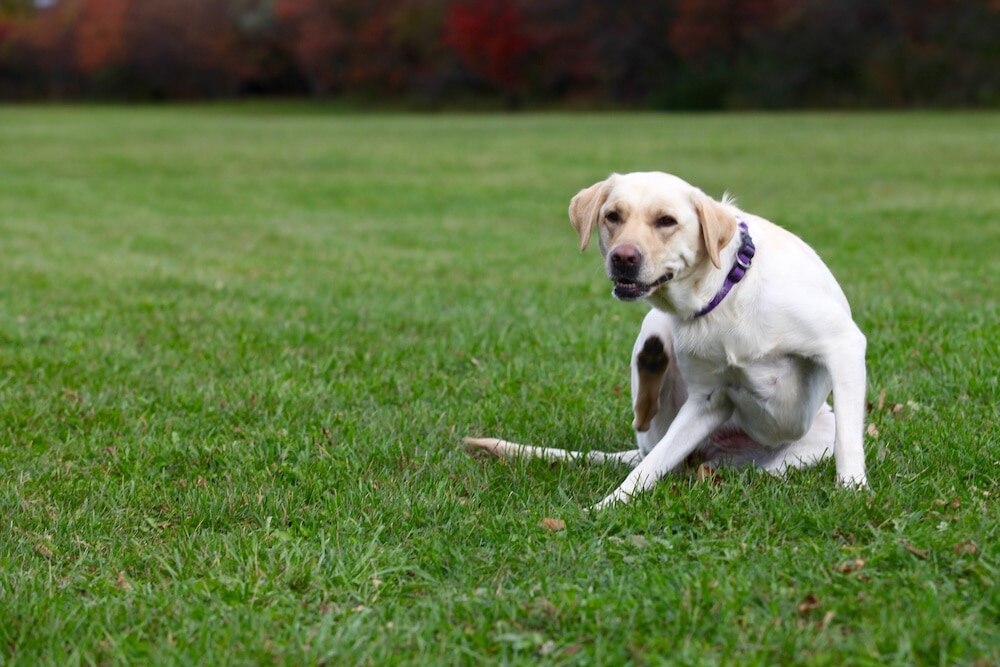
Dogs with seasonal allergies can be itchy in specific areas, such as their paws, or be itchy all over. They can also have recurring ear infections and skin infections.
Though seasonal allergies in dogs cannot be cured, they can be managed to help make your dog more comfortable. Treatment of dog seasonal allergies ranges from anti-itch medications, like Zenrelia, to medications to treat skin infections to allergy shots.
Your veterinarian will help you determine which treatment is right for your pet.
Key Takeaways
- Allergens that commonly cause seasonal allergies in dogs include pollen, mold, and dust mites.
- Symptoms of dog seasonal allergies include itching, licking, scratching, chewing, skin infections, and head shaking.
- Seasonal allergies in dogs can be managed by determining which seasons trigger a dog’s symptoms and initiating treatment prior to the start of each allergy season.
- Treatments include anti-itch medications, meds to treat skin and ear infections, regular ear cleanings, routine baths, topical treatments, and allergy shots.
What Are Seasonal Allergies in Dogs?
Seasonal allergies in dogs, also known as atopic dermatitis, occur when a dog’s immune system mistakes harmless substances in the environment for threats. These reactions typically occur during certain times of the year, but timing varies depending on where you live, the allergens present, and the triggers to which your dog is sensitive.
Unlike food allergies or year-round environmental allergies, seasonal allergies flare only when specific allergens are at high levels.
What Causes Dog Seasonal Allergies?
A dog with seasonal allergies has an immune system that is hypersensitive to specific allergens in the environment.
The following allergens commonly cause seasonal allergies in dogs:
-
Grass pollen
-
Tree pollen
-
Weed pollen
-
Mold
-
Dust mites and storage mites
When the levels of the allergens become high, the dog’s immune system becomes triggered, leading to an allergic response and the development of symptoms.
Health Tools
Get quick answers with our vet-created Symptom Checker
What Are the Symptoms of Dog Seasonal Allergies?
Symptoms will vary depending upon the dog, but may include:
-
Excessive licking, usually of the paws, but the licking can be anywhere on the body
-
Saliva staining of the fur where the dog is licking the skin excessively
-
Chewing/gnawing
-
Scratching
-
Hair loss
-
Redness of the skin
-
Crusts
-
Moist skin
-
Darkening of the skin (black pigmented skin)
-
Thickening of the skin (elephant skin)
-
Odor to the skin or ears
-
Pawing at the ears, eyes, or face
-
Rear end licking and scooting or licking due to anal gland inflammation
-
Watery eyes
The most common areas of a dog’s body that are affected by seasonal allergies are the paws (especially between the digits), limbs, mouth, ears, abdomen, groin, armpits, tail, and around the eyes.
How Are Dog Seasonal Allergies Diagnosed?
Seasonal allergies in dogs are diagnosed based on the following:
-
Physical exam findings
-
Symptoms
-
History of having recurring symptoms and infections during the same seasons annually
Other skin conditions that can cause similar symptoms must also be ruled out, such as skin mites, fleas, ringworm fungal infection, or a food allergy, to reach a diagnosis of canine seasonal allergies.
Treatment of Dog Seasonal Allergies
Seasonal allergies in dogs are a chronic condition, which means there is no cure. However, there are ways to treat and manage symptoms to keep your dog comfortable.
Anti-Itch Medications
Anti-itch medications are prescribed to alleviate any current itchiness and to manage the itch during flare-ups.
One such medication is Zenrelia, which is designed specifically to control allergic itch. Available for dogs over 12 months of age, the once-daily oral tablet works fast to block itch signals from reaching your dog’s brain. Zenrelia can be used for both short-term flare-ups or long-term management of allergic itching.
Other options include:
-
Apoquel, another oral medication that blocks itch signals
-
Cytopoint, an anti-itch injection given by your vet
-
Prednisone, a steroid used to help with inflammation and decrease immune system activity
Your veterinarian will determine which prescription medication is appropriate for your pet. Once the allergy seasons are determined for a dog based on prior history, the anti-itch medication typically is started prior to the start of the allergy season and continued one month past when the allergy season ends.
If the itch can be controlled, your dog will remain comfortable and be at less risk for secondary skin infections. If the itch is not fully controlled with anti-itch medication, a recovery cone should be worn to prevent your dog from licking and chewing at their body.
Ear Medications for Infections
Ear medications, such as Easotic, Mometamax, Posatex, and Tresaderm, are prescribed to treat bacterial and/or yeast infections in a dog’s ears. After treatment, make sure to schedule a follow-up appointment with your veterinarian to recheck that the infection has resolved.
Oral Medications for Infections
Oral medications are often needed when a dog has a skin infection on multiple areas of the body. Antibiotics, such as Convenia (an injectable medication) or oral medications like Antirobe and Rilexine, are prescribed to treat bacterial skin infections. Anti-fungal medications, such as ketoconazole, are prescribed to treat fungal skin infections, including yeast infections.
Immunotherapy
Immunotherapy involves either customized allergy shots or oral drops formulated from allergy testing results to gradually desensitize a dog to environmental allergens. It’s usually given long-term at amaintenance dose.
Testing to guide immunotherapy includes:
-
A blood test (such as Heska’s Allercept or Nextmune’s Pet Allergy Xplorer), which is performed by your vet to determine what environmental allergens your dog is most allergic to based on where they live.
-
Intradermal skin testing performed by a veterinary dermatologist. Intradermal testing involves injecting small amounts of allergens into the skin and monitoring for reactions, which help identify the specific triggers to include in the immunotherapy formulation.
Dog Seasonal Allergies Home Remedies
Home remedies may provide some relief of canine seasonal allergies. However, it’s important to consult with your vet first. They can recommend appropriate treatment options based on your individual dog’s needs.
Home remedies for seasonal allergies in dogs include:
-
An omega-3 fatty acid (fish oil) supplement, such as Welactin, Triglyceride OMEGA, or Dermaquin, may help protect the skin barrier.
-
An omega-3 fatty acid supplement can also help support anal gland health for dogs who tend to need their anal glands expressed more frequently during allergy season. It takes four to six weeks for an omega-3 fatty acid supplement to become effective, so it is best for a dog with seasonal allergies to be on this supplement year-round.
-
-
Routine ear cleaning can help clear a current ear infection and reduce the frequency of future ear infections. If an ear infection is present, treat the infection and clean the ears based on recommendations from your veterinarian. When there is no infection, clean the dog’s ears with a routine ear cleaner, like Epi-Otic Advanced, on a routine basis throughout the year (typically every two to three weeks for maintenance).
-
Topical therapy can be used to soothe the skin and help with treatment of skin infections. There are many topical therapy options, including anti-bacterial and anti-fungal ointments, shampoos, conditioners, mousses, sprays, and wipes. Ask your veterinarian which topical therapy would work best based on your dog’s allergy symptoms and current skin condition.
Management of Dog Seasonal Allergies
Seasonal allergies are frustrating for dogs and for pet parents, because they are not curable. Plus, it’s difficult to limit a dog’s exposure to certain allergens. Pollen from trees, grass, or weeds can be tracked into the house easily.
Fortunately, with canine seasonal allergies, symptoms can be managed by knowing what seasons trigger a dog’s symptoms and initiating treatment prior to the start of each allergy season. Wiping a pup’s paws when they come inside can also sometimes be helpful.
Management of seasonal allergies is usually lifelong unless a dog is able to move to an area where the allergen that is causing the reaction is no longer present.
Monitor your pet for the following symptoms throughout the year:
-
Itchiness (scratching, licking, gnawing, chewing)
-
Head shaking or pawing at the ears or eyes
-
Any skin lesions (such as redness, crusts, thickened or black pigmented skin)
-
Odor to the skin or ears
If you see any of these symptoms, schedule a vet appointment as soon as possible. Your dog’s skin condition can worsen quickly if allergy symptoms are not controlled.
Managing a dog’s allergy symptoms with therapy and reporting to your veterinarian any skin issues as they arise are the most effective ways to help a dog with seasonal allergies.
Dog Seasonal Allergies FAQs
Can dogs have seasonal allergies?
Yes, dogs can have seasonal allergies caused by environmental allergens like pollen, grass, and mold spores. Unlike humans who usually get respiratory symptoms, dogs usually show symptoms through their skin and ears. Common signs include persistent itching, excessive licking of the paws, redness or inflammation, and frequent ear infections.
How do you treat seasonal allergies in dogs?
To treat seasonal allergies in dogs, your vet may recommend an anti-itch medication, topical treatment, shampoo, omega fatty acid supplements, or, in more severe cases, immunotherapy.
What is the best thing for dogs with skin allergies?
A multimodal approach, meaning a combination of different therapies, is usually the best way to help a dog with skin allergies. Goals of treatment include strengthening the skin barrier, managing itch, and preventing secondary skin infections. Every dog is different, so it may take some trial and error to figure out which therapies work best for your pup.
What months are worst for dog seasonal allergies?
Spring and fall are common peak seasons, but this depends on regional pollen patterns and the specific allergens your dog is allergic to.
Can I give my dog over-the-counter allergy medicine for humans?
Do not give human medications without veterinary guidance. Some are unsafe or ineffective in dogs.