Dog Anxiety: Signs, Causes, and Treatment



miniseries/E+ via Getty Images
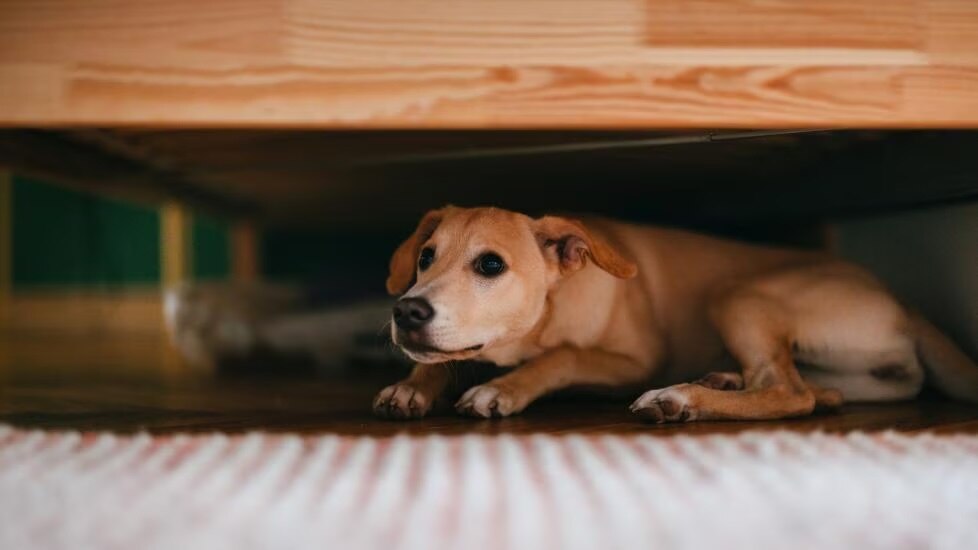
Dog anxiety is a state of fear, stress, or nervous anticipation in response to a perceived threat or situation. Anxiety in dogs can cause symptoms such as panting, pacing, trembling, barking, or destructive behavior.
It’s normal for dogs to experience some fear and anxiety when exposed to new things, such as meeting new people, changes in their schedule, or visiting the vet. This is a natural response for survival. But when an anxious dog takes a long time to recover after a stressful experience, or when they cannot recover at all, this indicates a problem.
Treatment for dogs with anxiety depends on the cause and may include positive reinforcement training, changes to their environment, calming supplements and other aids, or medication. Work with your vet to identify triggers and determine the best way to calm your anxious dog.
Key Takeaways
- Dog anxiety is a heightened state of fear or nervous anticipation in response to perceived threats.
- Medical conditions such as pain, inflammation, and underlying disease can also cause dog anxiety.
- You can learn how to recognize dog anxiety by observing your dog’s body language and behavior.
- Signs of an anxious dog can be subtle, such as yawning or pacing, or more obvious, such as whining, shaking, or showing their teeth.
- Treatment requires behavioral training and positive reinforcement, often in combination with natural calming supplements and pheromones. Anti-anxiety medication may also be prescribed.
What Is Dog Anxiety?
Dog anxiety is state of fear or nervous anticipation in response to a perceived threat or stressful situation.
Some dogs show signs of anxiety only in specific situations, such as during thunderstorms or vet visits, while others may be generally anxious, showing fearful reactions in a wide range of situations.
Anxiety in dogs can develop after a negative experience or when a dog is placed in an unfamiliar or uncomfortable situation, such as meeting new people or animals, going new places, or being separated from family members. Medical issues, including pain and underlying disease, can also contribute to anxious behavior.
While occasional nervousness is normal, frequent or severe anxiety can affect your dog’s quality of life. The best first step is to work with your vet to determine the most likely cause of your dog’s anxiety.
Symptoms of Anxiety in Dogs
The signs of anxiety in dogs can vary depending on the severity of their stress and the situation, ranging from yawning and fidgeting to trembling and baring their teeth.
Dogs communicate discomfort through body language, and recognizing these subtle signs can help you determine when your dog is feeling stressed.
According to the Canine Fear, Anxiety, and Stress (FAS) Spectrum, dog anxiety symptoms can include:
Signs of mild anxiety in dogs:
- Licking lips
- Yawning
- Avoiding eye contact
- Turning the head away
Signs of moderate anxiety in dogs, which include the same as those seen in mild cases plus the following:
- Putting ears back
- Furrowing brow
- Fidgeting
- Panting
- Refusing treats
Signs of severe anxiety in dogs, which include the same as those seen in mild and moderate cases plus the following:
- Tucking tail
- Slinking or running away
- Widening eyes (with the whites showing)
- Dilating pupils
- Trembling
- Staring
- Showing teeth
An anxious dog may also display unwanted behaviors, including:
- Losing interest in activities they used to enjoy
- Regressing (appearing not as well trained as they used to be)
- Engaging in destructive behavior (chewing on furniture, doors, windows, or crates, for example)
- Barking and whining
- Shaking
- Having potty accidents
- Drooling
- Pacing or exhibiting restlessness
- Losing appetite
- Engaging in repetitive behaviors (tail-chasing, spinning)
- Growling, lunging, or biting
When Should You Worry About Dog Anxiety Symptoms?
Contact your veterinarian if your dog frequently shows anxious behaviors, cannot settle after a stressful event, or suddenly develops anxiety without an obvious cause.
Sudden behavioral changes can sometimes indicate pain or another medical problem rather than anxiety alone.
Causes of Anxiety in Dogs
There are many possible causes of dog anxiety, from car rides to being left home alone.
Common causes of dog anxiety include:
- Medical conditions, such as pain (dental disease, neurological pain, arthritis, gastrointestinal issues), inflammation, or dog dementia or canine cognitive dysfunction syndrome (CCD or CDS) in senior dogs
- Separation anxiety, which happens when your dog doesn’t feel confident and content when separated from family members. (It is estimated that 14%–20% of dogs have separation anxiety.)
- Change in your household or your dog’s daily routine
- Car rides
- Veterinary hospitals or grooming facilities
- Unfamiliar dogs
- Unfamiliar people
- Loud noises, including thunder, fireworks, construction work, trucks, or vacuum cleaners
- Boarding kennels
- Parks (public parks and dog parks)
- Unfamiliar floors or surfaces, such as grass, tile, wood floors, or stairs, especially if your pup hasn’t been exposed to them before
Identifying the trigger is an important part of developing an effective treatment plan. Start keeping a journal and pay close attention to your dog’s body language, including what might have triggered your dog’s abnormal behavior.
How Do Veterinarians Diagnose Dog Anxiety?
Veterinarians diagnose dog anxiety by:
- Performing a physical examination
- Performing lab tests or X-rays to investigate medical causes of anxiety
- Evaluating your dog’s body language and behavioral responses to identify signs of fear, anxiety, and stress
- Reviewing video recordings of your dog displaying abnormal behavior
Because symptoms such as panting, restlessness, and behavioral changes can have medical causes, it's important not to assume your dog is experiencing anxiety without a veterinary evaluation.
Dog Anxiety Treatment
The best dog anxiety treatment depends on the underlying cause, severity of symptoms, and your dog's individual needs. Your vet may recommend dog training, changes at home, calming aids and supplements, anti-anxiety drugs, medical care for underlying conditions, or a combination of approaches.
Common ways to help calm an anxious dog include:
- Behavior modification and positive reinforcement. A certified professional trainer can create a behavior modification plan to help your dog respond more positively to trigger(s). They can also teach you to use positive reinforcement, in which you reward your dog with treats, toys, or praise for desired behaviors.
- Environmental changes. Limit your dog’s exposure to anxiety triggers when possible, and provide a safe space your dog can retreat to during stressful events, such as during thunderstorms.
- Calming supplements. Dogs experiencing stressful situations may benefit from a calming supplement, like Solliquin or Zylkene, that supports calm, balanced behavior. Ask your veterinarian whether a calming supplement is appropriate for your dog.
- Calming pheromones. Pheromone sprays and diffusers imitate a mother’s natural nursing pheromones to help dogs feel calm and secure.
- Calming diets. Certain veterinary diets are formulated to help promote calm behavior and manage stress-related digestive upset. Ask your vet whether a specialized diet may benefit your dog.
- Anti-anxiety medication. Depending on the severity of your dog’s anxiety, your vet might prescribe calming medication, such as trazodone or Clomicalm, in addition to behavior modification and training.
- Exercise and enrichment. Regular activity and mentally engaging your dog gives them positive outlets for energy and add structure to their day, supporting overall well-being as part of an anxiety plan. Try daily exercise, play, puzzle toys, and reward-based training sessions.
- Calm arrivals and departures. Staying quiet and unemotional during your comings and goings to and from your home helps your dog remain calm. This can be particularly effective for dogs with separation anxiety.
- Medical care for an underlying condition. If your vet determines that an underlying medical condition, rather than anxiety itself, is causing your dog’s symptoms, they will recommend an appropriate treatment plan for that condition.
Prevention of Anxiety in Dogs
Puppies who have not been properly socialized or exposed to unfamiliar experiences can mature into fearful, anxious dogs. Here are some ways you can prevent anxiety in your dog.
Socialize Your Puppy
When your puppy is 3–12 weeks of age, they are the most receptive to new things. This is the best time to introduce your puppy to new encounters by associating these encounters with lots of treats and praise.
Unvaccinated puppies are susceptible to disease, so be sure to speak with your vet about how to keep your puppy safe during socialization outings, such as:
- Setting up a pet blanket for your puppy to sit on, while leashed, in a public space.
- Using a dog stroller or carrying your puppy instead of letting them walk on the ground in a public space.
- Allowing your puppy to interact only with healthy, fully vaccinated dogs.
Create a Safe Space for Independent Time
Train your puppy to use a dog crate. Don’t think of a dog crate as a punishment but rather as a haven for your puppy to relax and recharge, spending time on their own during the day. This helps your puppy build confidence and independence.
Start a Consistent Daily Routine
Just like a predictable routine is comforting to people, knowing what to expect every day helps your dog feel calmer and more open to learning.
Create Fun Activities
Start 15-minute training sessions daily and give your dog plenty of exercise. Use an enrichment bowl during mealtime and interactive puzzle toys during downtime.
Be Patient
Take your time when it comes to new training and schedules with your dog.
Make Vet Visits Fun
Dropping by for brief, happy visits just to say hello, taking your time during appointments, and bringing plenty of your pup’s favorite dog treats are all ways you can help your pup have positive vet experiences.
Anxiety in Dogs FAQs
How do you calm an anxious dog?
To calm an anxious dog, identify and reduce stressful triggers, provide a quiet space, and use positive reinforcement to reward desired behaviors. Schedule a veterinary visit to rule out medical causes and discuss treatment options. Your vet can also recommend anti-anxiety medications, calming pheromones, and calming diets and supplements that promote calm, balanced behavior.
Do dogs have anxiety attacks?
Dogs can experience sudden episodes of intense fear or anxiety, sometimes described as anxiety or panic attacks. Signs may include trembling, panting, pacing, hiding, or attempting to escape. Because these symptoms can also indicate medical problems, seek veterinary care for sudden or severe episodes.
What is the 3-3-3 rule for dog anxiety?
The 3-3-3 rule is a general guideline for helping a new dog adjust to their new home. During the first three days, provide a quiet, safe space (like a crate filled with a bed, toys, and treats with the door open) for your dog to decompress. Next, in the first three weeks, establish a predictable routine to help your dog settle in. Within the first three months, your dog should feel more confident, safe, and secure.
However, it’s important to note that all dogs are individuals and the adjustment period may take longer.
What is the best thing to give a dog for anxiety?
To find anxiety relief for dogs, speak with your vet first before giving your dog anything. Depending on the severity of your dog’s anxiety and their individual needs, your vet might recommend calming supplements, calming pheromones, or prescription anti-anxiety medication.
Can dog anxiety go away on its own?
Some dogs become more comfortable as they adjust to new situations, but persistent anxiety often requires behavior modification or veterinary treatment. Early intervention can help prevent anxious behaviors from becoming more severe.
How long does dog anxiety treatment take?
Improvement depends on the cause and severity of anxiety and the individual dog's response to treatment. Some dogs improve gradually with consistent training and environmental changes, while others need ongoing support.
References
Borns-Weil S. Behavioral Problems of Dogs. Merck Veterinary Manual. Revised September 2025. https://www.merckvetmanual.com/behavior/behavior-of-dogs/behavior-problems-of-dogs


