Bladder Stones in Dogs: Symptoms, Treatment, and Prevention


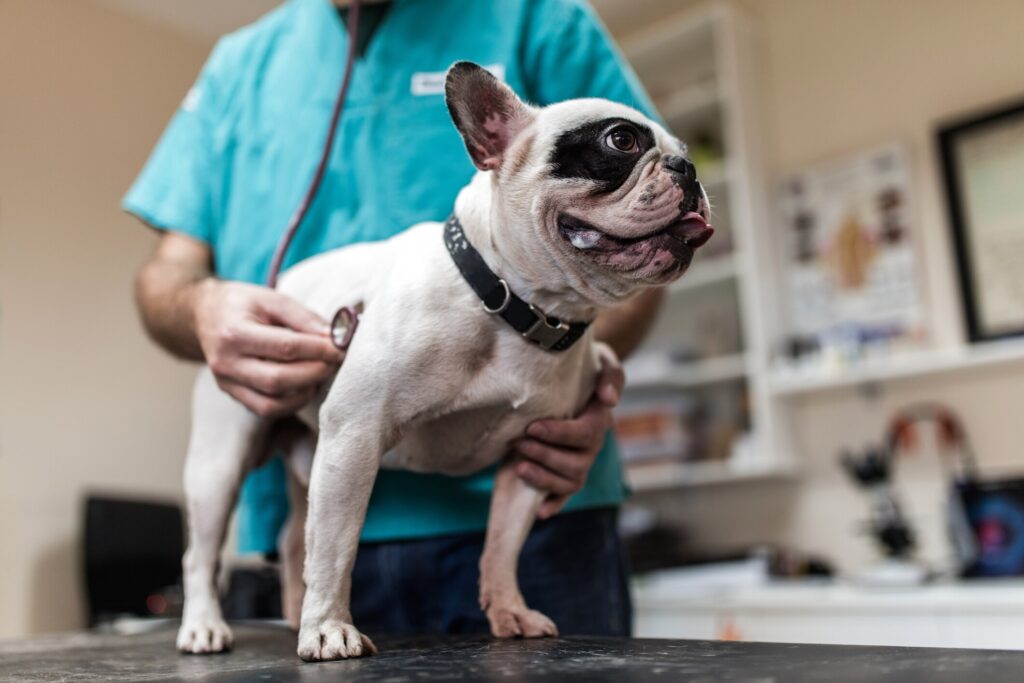
BraunS/E+ via Getty Images
Bladder stones in dogs are solid mineral formations that can vary in size and number. They can cause more frequent urination but with small amounts of urine, bloody urine, pain, and in severe cases, a life-threatening urinary blockage.
Treatment depends on the type and severity of the stones. Some can be dissolved with a special diet, while others may require surgical removal.
If your dog is showing signs of bladder stones, it’s important to see a veterinarian for a proper diagnosis and treatment plan.
Key Takeaways
- Bladder stones in dogs are hard deposits of mineral that form within the urinary bladder.
- Sometimes dogs won't show any symptoms of having bladder stones, but in other dogs, stones may prevent them from being able to pee, which is an emergency.
- Treatment may include a therapeutic urinary diet, medication, or surgery.
- You can reduce the risk of bladder stones in dogs by ensuring your pet receives regular veterinary care.
What Are Bladder Stones in Dogs?
Bladder stones in dogs are hard deposits of mineral that form within the urinary bladder.
They begin as tiny crystals that combine and harden to form stones under the right conditions, such as when a dog has a urinary tract infection.
When passed in urine, they look like small pebbles, grains of sand, or tiny crystals.
Types of Bladder Stones in Dogs
The most common types of bladder stones in dogs are:
- Struvite: Associated with bladder infections and alkaline (high pH) urine
- Calcium oxalate: Form when urine is supersaturated with calcium and oxalate minerals, often in acidic (low pH) urine
Together, these two stones represent around 90% of the bladder stones in dogs.
Other dog bladder stone types include:
- Urate: More common in dogs with liver abnormalities or a specific congenital defect affecting metabolism of uric acid
- Cystine: Usually associated with an inherited condition affecting kidney reabsorption of cystine, causing it to accumulate in the urine
- Silica: Linked with consumption of certain dietary ingredients (too much corn gluten feed or grain hulls) and water in volcanic areas
- Calcium phosphate: Associated with inappropriate mineral supplements or too much calcium in the dog’s diet, as well as various underlying health conditions
- Xanthine: Usually form due to a rare, inherited disorder affecting purine metabolism
There are a few other rare types of stones that can form, which are not discussed here. Stones can also have a mixed formation of mineral types.
What Are the Signs of Bladder Stones in Dogs?
Sometimes dogs don’t have any symptoms of bladder stones, and a veterinarian finds them incidentally when examining or performing tests on the dog for a different reason.
However, most of the time, dogs will show any of the following symptoms:
- Bloody urine
- Increased frequency of urination
- Passing small amounts of urine
- Straining to urinate
- Not passing urine at all
- Licking at their genital region
- Leaking urine or urinating in inappropriate places
- Passing small stones in their urine
- Abdominal pain
- Less common symptoms may include:
- Lethargy
- Weight loss
- Increased thirst
If your dog is showing any signs of urinary issues, it’s important to see a veterinarian as soon as possible to rule out bladder stones.
When Are Dog Bladder Stones an Emergency?
While bladder stones themselves are not always an emergency, they can potentially cause an obstruction and prevent urine from exiting the body, which can be life-threatening.
Signs to watch for include:
- Straining to pee with no urine produced
- Whimpering or showing other signs of distress while posturing to urinate
- Frequent attempts at urination
- Vomiting and weakness
- Loss of appetite
- Swollen belly
While possible in both sexes, obstruction of the urinary tract is more common in male dogs because of their longer, narrower urethra.
Can Bladder Stones Go Away on Their Own?
Small bladder stones may pass through the urine on their own or be dissolved with diet therapy, while larger ones may require surgery.
What Causes Bladder Stones in Dogs?
There are several reasons a dog may develop bladder stones, which include:
- Urinary tract infection: The most common reason a dog develops bladder stones is due to bladder infections. These alter the urine pH and make the formation of stones more likely.
- Dietary imbalance: Dogs who are fed diets high in magnesium, phosphorus, and protein are more likely to develop bladder stones.
- Low water intake: When dogs do not drink enough water, their urine can become highly concentrated. Crystals can form in the small amount of urine in their bladder and eventually lead to bladder stones.
- Underlying disease: Dogs who have underlying health conditions, such as Cushing’s disease, can have increased risk of bladder stones.
- Abnormal urine pH: If a dog’s urine pH becomes more acidic or alkaline than it should be, bladder stones are more likely to form.
- Inherited predisposition: Some dogs inherit a genetic predisposition toward certain types of stones. For this reason, some dog breeds are more likely to develop bladder stones.
Dog breeds more likely to develop bladder stones include:
However, any dog has the potential to be diagnosed with bladder stones.
How Veterinarians Diagnose Bladder Stones in Dogs
To diagnose bladder stones in dogs, a veterinarian will start with a physical exam to identify any obvious abnormalities, such as abdominal pain, fever, or weight loss.
During the exam, pet parents should inform the veterinarian about when symptoms began, their dog’s diet, and any previously diagnosed health conditions.
If the veterinarian suspects the dog may have bladder stones, the following tests may be performed:
- Urinalysis: A small sample of the dog’s urine will be tested for the presence of crystals or blood, abnormal pH, and signs of infection.
- Blood work: The dog’s blood can be tested to check overall health and look for high levels of calcium, which could contribute to bladder stones.
- Ultrasound: During this non-invasive test, a veterinarian places gel and a probe on the lower abdomen where the bladder is located. Sound waves help visualize abnormalities in the bladder, such as the presence of crystals or stones.
- Radiograph (X-ray): Taking an X-ray of the dog’s bladder can show white circular objects if bladder stones are present. While most bladder stones do show up on X-rays, some are not visible, depending on their composition.
Treatment of Bladder Stones in Dogs
Treatment for bladder stones in dogs depends on the amount and size of the stones present.
Your veterinarian will recommend an appropriate treatment plan for your dog, which may include:
- Diet change: Dogs with bladder stones may need a special urinary therapeutic diet available only with veterinarian approval. Urinary therapeutic diets may help dissolve and/or help prevent the recurrence of certain types of stones. They are formulated with controlled mineral content and may also help dilute the urine, thereby diluting excess minerals that can cause crystals and stones. These diets can also help alter urine pH to more desirable levels.
- Catheterization: If a dog has only small bladder stones, a urinary catheter can be placed to flush the bladder with saline to encourage stones to exit. Catheterization might also be used to try to push or flush stones stuck in the urethra back up into the bladder for surgical removal.
- Laser treatment (lithotripsy): A laser is used to break large bladder stones into smaller pieces that can be flushed out of the bladder and passed through the urine.
- Surgery (cystotomy): Dogs with bladder stones may need surgery to manually remove them. This is common in dogs who have a large number of stones or very large ones that are unable to pass through the urine or unable to dissolve.
- Antibiotics: Many dogs with bladder stones have concurrent urinary tract infections and may need antibiotics, such as amoxicillin, to treat the infection.
Recovery and Management of Bladder Stones in Dogs
Bladder stones in dogs are curable with the appropriate treatment. However, if the underlying cause is not addressed, they are likely to recur and require repeat treatment.
For dogs who have underlying urinary tract infections alongside bladder stones, antibiotics are usually needed for at least seven to 10 days, sometimes more. Often vets will use urine cultures to help them determine the right antibiotic and proper length of treatment.
For dogs given a therapeutic urinary diet to dissolve their bladder stones, the time for full resolution can vary based on the size of the stone and individual patient factors, but many stones will dissolve in two to five weeks. During this time, dogs should only be fed the therapeutic urinary diet.
Depending on the type of stone, surgery may be necessary to remove bladder stones, especially when the stone is too large to pass through the urine. For dogs who have surgery, the veterinary care team may recommend they wear a recovery cone and have exercise restrictions for 10 to 14 days following surgery. They will also receive pain medications and anti-inflammatory medications, such as carprofen.
Be sure to closely follow the recommendations of your veterinary team.
How To Help Prevent Bladder Stones in Dogs
While it's not always possible to prevent bladder stones in dogs, there are steps you can take to reduce your dog's risk. The most effective prevention plan depends on their overall health and whether they've had bladder stones before.
Key ways to help prevent bladder stones include:
- Schedule regular veterinary checkups: During these visits, your veterinarian can test a sample of your pup's urine to check for abnormalities that may increase the risk of bladder stones. In doing so, the veterinarian can provide early treatment to prevent stone formation.
- Encourage your dog to drink more water: Making sure that your dog has access to clean, fresh water at all times to stay well-hydrated can help prevent highly concentrated urine, which is more susceptible to crystals and stones. A pet water fountain may help encourage drinking. You can also add additional water to your pet’s canned or dry food.
- Provide frequent bathroom breaks: Make sure your pet has multiple opportunities to empty their bladder every day so that small stones have a better chance of being flushed out rather than staying in the bladder to grow.
- Stick to your vet’s nutritional recommendations: Some dogs may need to eat a therapeutic urinary diet for the rest of their lives. Avoid dog treats or human foods unless your vet has specifically recommended them.
- Keep your pet at a healthy weight: Dogs at a healthy weight are less likely to develop certain conditions, like diabetes, that may predispose them to urinary tract infections and bladder stones.
Bladder Stones in Dogs FAQs
How long can a dog last with bladder stones?
Dogs can have bladder stones for a long time without symptoms, and this varies widely for each individual dog. When the bladder stones increase in number or size, dogs are more likely to have noticeable symptoms that require veterinary intervention.
If a dog is unable to urinate, however, this is an emergency, and they should be seen by a veterinarian immediately.
Can bladder stones come back?
Unfortunately, once a dog has had bladder stones, there is a high chance that they could come back in the future. For dogs who previously had bladder stones, the best way to help delay or prevent recurrence is to follow your veterinarian’s recommendations.
What foods cause bladder stones in dogs?
Diets high in protein as well as minerals such as magnesium and calcium can be more likely to cause bladder stones in dogs.
Do dogs feel pain with bladder stones?
Bladder stones can cause pain and discomfort for affected dogs and should be treated promptly to help them feel better.
Are certain dog breeds more at risk for bladder stones?
Some dog breeds may have a genetic predisposition to urinary stones. For example, Bulldogs and Dalmatians are known to have a higher risk of urate stones than many other breeds, and Bulldogs are also a breed that can have a genetic predisposition to cystine stones.
Your veterinarian can help you assess bladder stone risk in your dog and design an appropriate nutrition and monitoring plan to help reduce that risk as much as possible.
References
Kopecny L, Palm CA, Segev G, Westropp JL. Urolithiasis in dogs: Evaluation of trends in urolith composition and risk factors (2006-2018). J Vet Intern Med. 2021 May 7;35(3):1406-1415. doi:10.1111/jvim.16114