Why Your Dog Farts and What to Do About It


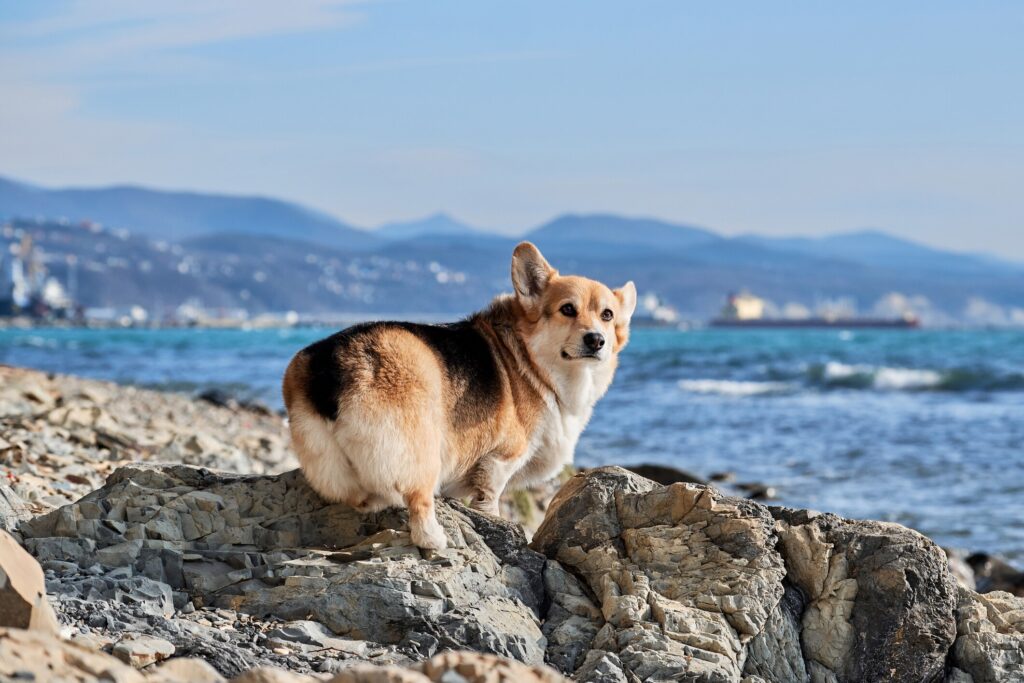
Ekaterina Kobalnova/iStock / Getty Images Plus via Getty Images
Dog farts are usually normal, but excessive gas can sometimes be a sign of diet-related issues or an underlying health condition.
Most cases of dog flatulence are caused by swallowed air, certain foods, or digestive problems. Understanding what’s causing your dog’s gas can help you decide whether simple changes at home or veterinary care are needed.
Key Takeaways
- Occasional dog farts are normal.
- Diet is one of the most common causes of excessive gas.
- Swallowing air and digestive diseases can also contribute.
- Persistent gas with vomiting, diarrhea, weight loss, or appetite changes should be evaluated by a veterinarian.
- Diet adjustments and slower eating often help reduce flatulence.
Why Do Dogs Fart?
Dogs fart because gas naturally builds up in the digestive tract, but excessive flatulence is often caused by diet, swallowing air, or digestive disease.
While occasional gas is normal, frequent or foul-smelling flatulence may indicate an issue that deserves closer attention.
Diet
What your dog eats plays a major role in digestive health and gas production.
Common dietary causes of excessive gas include:
- Sudden diet changes
- Difficult-to-digest foods (such as soybeans and beans)
- Spoiled food
- High-fat diets
- Milk and other dairy products
- Spicy foods
- High-fiber foods
Like people, dogs also produce gas as bacteria ferment nutrients during digestion.
Swallowing Too Much Air
Many dogs develop gas simply because they swallow excessive amounts of air while eating or breathing.
Common causes include:
- Eating too quickly
- Competition with other pets during meals
- Panting heavily after exercise
- Respiratory conditions that increase breathing rate
Brachycephalic (short-nosed) breeds also tend to swallow more air because of the structure of their airways.
Digestive Disease
Some medical conditions can also cause excessive flatulence.
When digestive disease is responsible, gas is often accompanied by other symptoms such as:
- Vomiting
- Diarrhea
- Loss of appetite
- Weight loss
Medical conditions associated with excessive gas include:
- Inflammatory bowel disease (IBD)
- Bacterial overgrowth in the small intestine
- Intestinal tumors (neoplasia)
- Food sensitivities or allergies
- Intestinal parasites
- Viral intestinal inflammation
- Pancreatic disease
Why Do Dog Farts Smell So Bad?
Dog farts usually smell bad because of diet, bacterial fermentation during digestion, or an underlying digestive problem.
The odor of your dog's gas can range from nearly odorless to extremely foul depending on what's happening in the digestive tract.
Diet
Certain foods naturally produce stronger-smelling gas than others.
Common dietary contributors include:
- High-fiber foods, which take longer to digest
- Foods that contain sulfur, which can produce a rotten egg smell
- Foods your dog has difficulty digesting
Food Intolerances
Dogs with dietary intolerances, such as lactose intolerance, may experience increased bacterial fermentation in the intestines, resulting in particularly foul-smelling gas.
Digestive Disease
Bacterial infections, intestinal inflammation, and other gastrointestinal diseases can also cause unusually strong-smelling flatulence.
In addition, anything that causes food to move too quickly or too slowly through the digestive tract may increase bacterial fermentation and produce more odorous gas.
When Should You See a Vet for Dog Gas?
Occasional dog farts are normal, but frequent or excessive gas accompanied by other symptoms should be evaluated by your veterinarian.
If your dog has foul-smelling gas or noticeable stomach gurgling several times each week, or if the flatulence is accompanied by digestive or systemic symptoms, schedule a veterinary examination to determine the underlying cause.
Contact your veterinarian if your dog's gas is accompanied by:
- Vomiting
- Diarrhea
- Weight loss
- Lethargy
- Loss of appetite
These signs may indicate an underlying digestive disease, food intolerance, infection, or another medical condition that requires treatment rather than simple dietary changes.
How To Treat Dog Gas
The best treatment for dog gas depends on the underlying cause, so identifying dietary triggers and ruling out medical conditions should come first.
If your dog's flatulence is frequent or persistent, your veterinarian may recommend dietary changes, additional diagnostic testing, or medications based on the underlying cause.
Because there is no single medication that treats every cause of flatulence, always speak with your veterinarian before giving your dog any products or supplements for gas relief.
How To Prevent Dog Farts
While occasional gas is normal, a few simple lifestyle and diet changes may help reduce excessive dog farts.
To help minimize flatulence in your dog:
- Encourage regular exercise and an active lifestyle.
- Feed smaller meals more frequently instead of one large meal.
- Serve meals in dog food-puzzles or slow-feeders (bowls with obstacles) to help slow down fast eaters.
- Offer meals in a quiet, low-stress environment to discourage rapid eating and excess air swallowing.
- Choose a highly digestible diet, such as a gastrointestinal (GI)-friendly dog food if recommended by your veterinarian.
- Limit treats to dog-specific products that are low in fiber (around 3% crude fiber).
- If changing your dog's diet, do so gradually and under your veterinarian's guidance to avoid digestive upset.
- Prevent access to spoiled food by securing garbage cans and limiting access to trash, garages, or neighboring yards.
If your dog continues to have excessive or foul-smelling gas despite these changes, schedule a veterinary examination to rule out an underlying medical condition.
Dog Farts FAQs
Do dogs fart?
Yes. Passing gas is a normal part of digestion in dogs, just as it is in people.
Why does my dog fart so much?
Dogs commonly fart because of diet, swallowing air while eating, or digestive conditions. Persistent excessive gas should be evaluated by a veterinarian.
Why do my dog's farts smell so bad?
Foul-smelling gas is often associated with diet, food intolerances, bacterial fermentation, or digestive disease.
Can dog food cause gas?
Yes. Diet changes, high-fiber foods, dairy products, fatty foods, and difficult-to-digest ingredients can all contribute to excessive gas.
When should I worry about dog farts?
Contact your veterinarian if excessive gas is accompanied by vomiting, diarrhea, weight loss, lethargy, or decreased appetite.