Pomeranian


Ruta Lipskija/iStock / Getty Images Plus via Getty Images
Pomeranians are a miniaturized descendant of the Spitz sled dog breeds—the Akita, Alaskan Malamute, Chow Chow, and Samoyed, just to name a few.
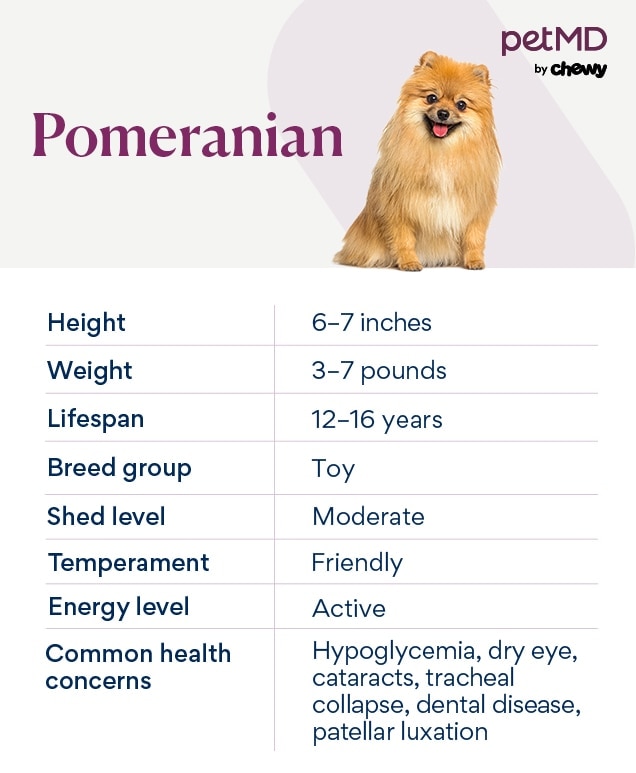
Originally, Poms were much larger (about 30 pounds, according to the American Pomeranian Club) and were used for herding. However, they were bred to reduce their size to what we recognize now, and today the Pomeranian is one of the smallest dog breeds, at just 6–7 inches tall at the shoulder and 3–7 pounds.
Pomeranian colors vary greatly; there are tri-colored, sable, brindle, merle, white, and black Pomeranians, among many other colors and patterns. They have a foxlike face, thick scruff around the neck, a square body, and a fluffy double coat.
Caring for a Pomeranian
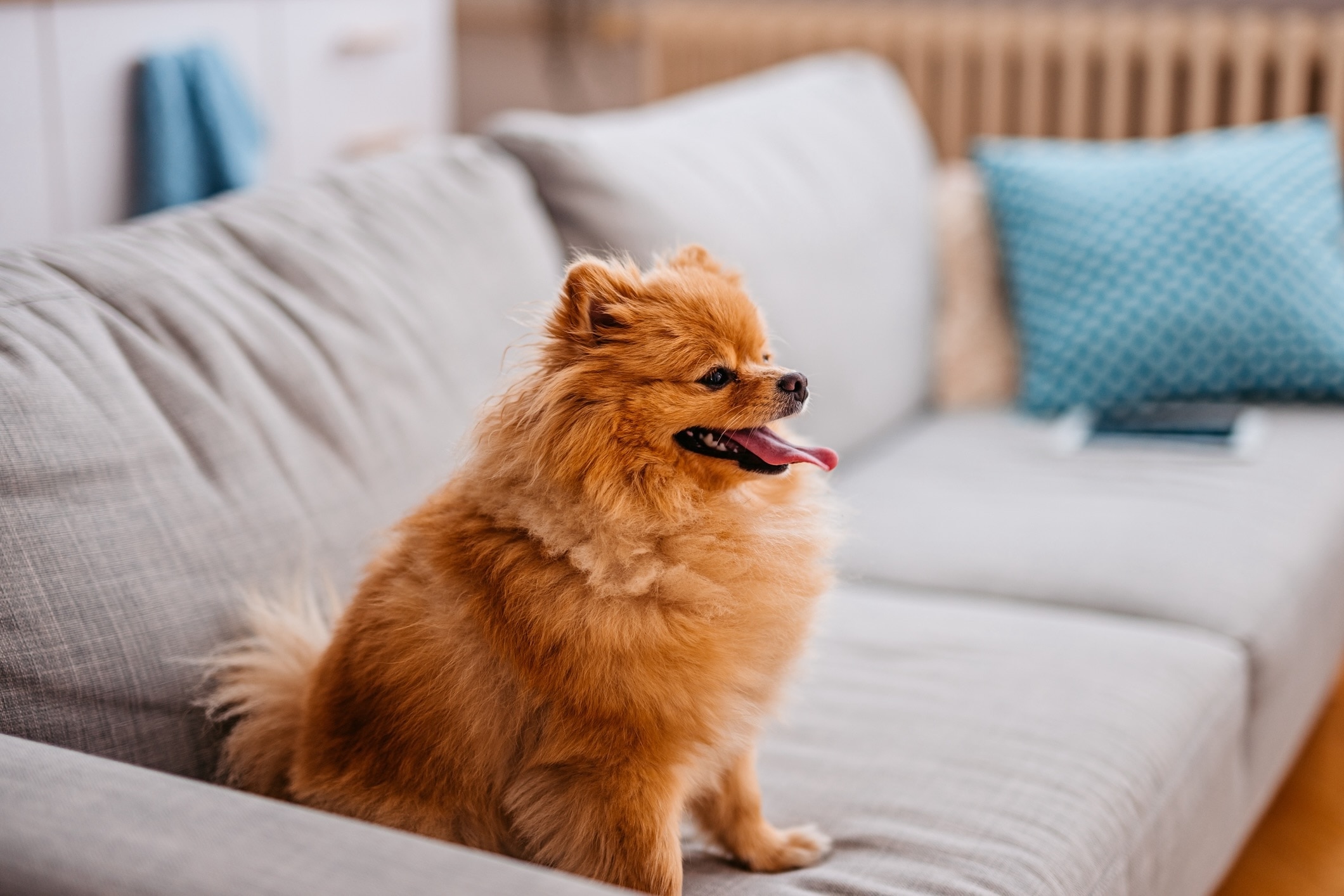
Pomeranians have large personalities in their tiny bodies. They are sassy, spunky, and often have the confidence of a much larger dog. Pomeranian dogs generally do well with other pets and love attention.
Poms are great companions for many types of pet parents—families, singles, and older adults included. They may not be the best option in homes with young children, however, because the dogs' small size makes them rather fragile. While the breed can be playful, the dogs don’t require extensive outdoor activity because of their small size.
But the dogs’ extremely fluffy coat requires daily upkeep and grooming to stay pretty and healthy. To make brushing easier, you can give your Pomeranian haircuts to keep their fur short.
Pomeranian Health Issues

The average Pomeranian lifespan is 12–16 years, making them one of the longest-living dog breeds. But it’s still possible for them to develop health conditions over the course of their life.
When considering bringing home a Pomeranian puppy or dog, it may be beneficial to consider health insurance and budgeting for any medical issues that may arise.
Alopecia-X
Pomeranians can develop symmetrical hair loss on their trunk, thighs, and other parts of their body (alopecia-x). Their skin can also become dark (hyperpigmentation) but doesn’t usually become itchy.
The cause of this cosmetic condition isn’t fully understood, and it’s important to take your Pomeranian to the vet to rule out other health problems, including hormonal issues like Cushing’s disease or hypothyroidism.
No treatment is guaranteed to be successful, but neutering, melatonin, and other medications may be helpful in some cases.
Hypoglycemia
Hypoglycemia in dogs is a sudden drop in blood sugar. This condition can affect small breeds and puppies under 3 months of age who don't eat frequently enough. But other causes, such as liver disease and some types of cancer, can also be to blame.
Signs of low blood sugar include:
-
Weakness
-
Stumbling
-
Shaking
-
Twitching muscles
If your Pomeranian experiences an episode of hypoglycemia, contact your veterinarian and seek treatment immediately. Your veterinarian can identify the cause and work with you to find the right treatment, food, or feeding schedule.
Eye Problems
Pomeranians can develop several canine eye conditions, including:
-
Tear duct issues: Tear duct issues can be caused by infection, genetics, inflammation, or other issues that can contribute to tear stains—dark or reddish marks that appear beneath the eyes.
-
Cataracts: Cataracts in dogs are often progressive and, over time, can lead to blindness. Pomeranians can have a genetic predisposition for cataract development, or it can be secondary to diabetes mellitus. Treatment is possible through surgery.
-
Distichiasis: This condition is when the eyelashes grow abnormally inward, toward the eye. This causes irritation and can even cause eye ulcers.
Contact your veterinarian if you notice changes in your dog’s eyes, including cloudiness, redness, discharge, or changes in your Pomeranian’s vision.
Collapsing Trachea
Collapsing trachea is a condition that typically presents as a goose honk-like cough. It most often occurs in small dogs.
Your dog’s trachea, or windpipe, connects the mouth and nose to the lungs. A tracheal collapse occurs when the small, partial rings of cartilage that maintain the tubelike shape of the trachea become too flexible, or when the muscle that connects the edges of the rings is too floppy. When a dog with tracheal collapse pulls air into their airway, the trachea narrows or completely closes and it’s difficult to get air into the lungs.
Treatment can include management through medication, or in some cases, surgery.
If your Pomeranian is diagnosed with tracheal collapse, it’s recommended to use a dog harness instead of a collar when going outside because pressure on the dog's neck can make coughing worse.
Try to avoid situations that cause your dog to become overexcited, and avoid exposing your dog to irritants, such as tobacco smoke.
Dental Disease
While all dogs can develop dental disease, small breeds like the Pomeranian are especially susceptible to the condition.
A smaller mouth means more potential for teeth becoming overcrowded or growing in at odd angles. This can lead to increased amounts of trapped food, which leads to tartar buildup.
The best treatment for dental disease is proactive prevention:
-
Brush your dog’s teeth every day, using a vet-recommended toothbrush and toothpaste.
-
Keep up with professional dental cleanings as your veterinarian recommends them.
-
Give your Pomeranian dental chews to promote good hygiene.
- Feed your Pomeranian a dog food that supports dental health.
Hip Dysplasia
Hip dysplasia is a developmental disorder that causes the hip joint(s) to become loose and unstable. Without treatment, hip dysplasia can cause significant pain and lead to arthritis.
Many cases of hip dysplasia can be managed with medications or joint supplements. Severe cases may require surgery.
Legg-Calve-Perthes Disease
Legg-Calve-Perthes disease is a condition that affects the head of the femur and the hip joint. The femoral head experiences a loss of blood supply, which causes it to degenerate and eventually leads to necrosis.
The condition is thought to be hereditary in Pomeranians and typically occurs in young dogs. The most common symptom is the slow progression of lameness in the hind limb, and treatment often requires surgery.
Patellar Luxation
Patellar luxation is a condition where the kneecap (patella) shifts sideways away from its normal position at the front of the knee. In small dogs, this is typically a hereditary condition, but in some cases it can be caused by trauma.
Signs of patellar luxation can include:
-
Intermittent skipping or limping
-
Bowlegged or knock-kneed stance in hind limbs
-
Hunched lower back
Medical treatment for a luxating patella can involve anti-inflammatory medication, weight loss, and temporary exercise restrictions. Surgery may be necessary in more severe cases.
What To Feed a Pomeranian
Because Pomeranians are at higher than average risk of hypoglycemia, it’s important that they are fed a high-quality dog food. A food compliant with Association of American Feed Control Officials (AAFCO) standards is a good place to start to ensure your Pomeranian is getting all the nutrients they need.
Talk to your veterinarian to find the best dog food, and always feed your Pomeranian a food formulated for their current life stage: puppy food for Pomeranian puppies, adult food for those at least 1 year old, and senior food for older dogs.
There are even breed-specific foods you can feed your Pomeranian.
How To Feed a Pomeranian
Pomeranian puppies should be fed frequently, with multiple mealtimes a day due to their high metabolism, their lack of fat stores, and high risk of hypoglycemia.
Adult and senior Pomeranians should be fed two to three times a day to continue to prevent the risk of hypoglycemia. Senior Pomeranians may benefit from a diet with extra antioxidants, which can help prevent free-radical damage and help slow down some effects of aging, such as cognitive decline.
How Much Should You Feed a Pomeranian?
The exact number of calories your Pomeranian may need depends on several factors, including:
-
Lifestyle and energy level
-
Current and ideal weight
-
Age
-
Medical history
To figure out how much food to feed your Pomeranian, consult your veterinarian as well as the feeding recommendations on the bag of dog food. Remember to factor treats, chews, and food toppers into your dog’s total calorie count, too, to avoid overfeeding and obesity.
Nutritional Tips for Pomeranians
Because Pomeranians can have skin, eye, and joint issues, it may be helpful to talk to your veterinarian about adding a dog-friendly supplement to their diet. Your vet may recommend giving your dog omega-3 fatty acids (fish oil) and/or joint supplements such as chondroitin and glucosamine.
Never give your dog a supplement without talking to your vet first.
Behavior and Training Tips for Pomeranians
Pomeranian Personality and Temperament
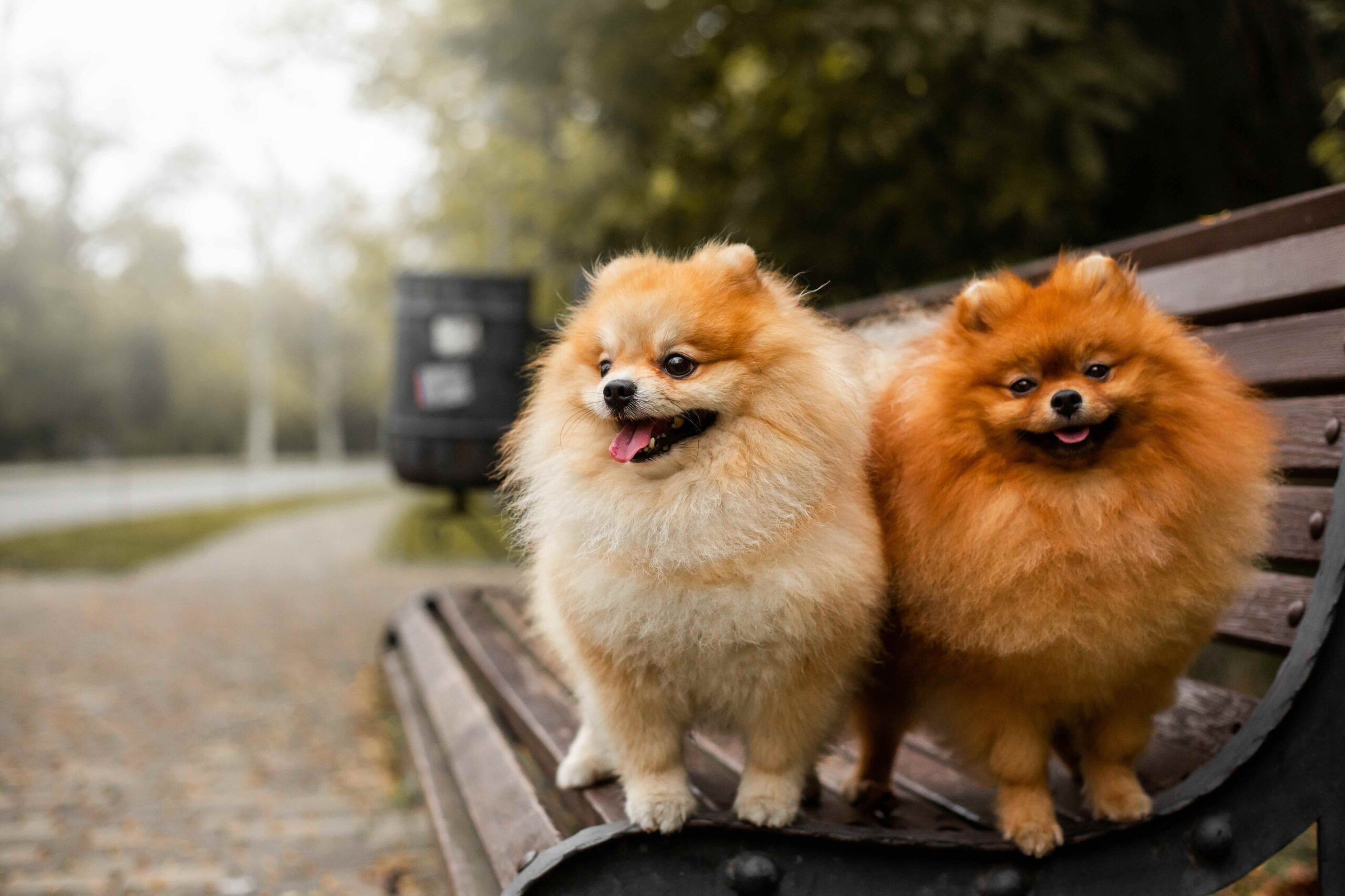
Pomeranians are intelligent dogs with large personalities. Their intelligence means they enjoy learning and do well with training and mentally stimulating activities for dogs.
But Pomeranians like their independence, and because of this, they prefer to walk on the ground instead of being carried. Despite being high-energy, their small frame ensures that they can get plenty of exercise running around the home and with short neighborhood walks.
Pomeranian Behavior
While Pomeranians can make great companions for a lot of homes, potential pet parents must learn about positive reinforcement training and socialization to ensure they develop into well-adapted dogs. Do not expect to adopt a Pomeranian puppy and have them grow into a friendly and well-mannered dog without investing in training and socialization.
Socialization is a vital part of a Pomeranian puppy’s development, as it is with every dog. Without proper socialization and training, behaviors such as excessive barking, reactive behavior, separation anxiety, and hyperactivity can emerge.
Pomeranian Training
Pomeranians respond well to positive reinforcement-based training. They also enjoy mentally stimulating activities, including training exercises and games. Keep training sessions positive, be consistent, and use patience.
Because Pomeranians require lots of grooming, get them used to being touched all over their bodies so they are well-behaved and calm while at grooming appointments.
Fun Activities for Pomeranian
Pomeranian Grooming Guide
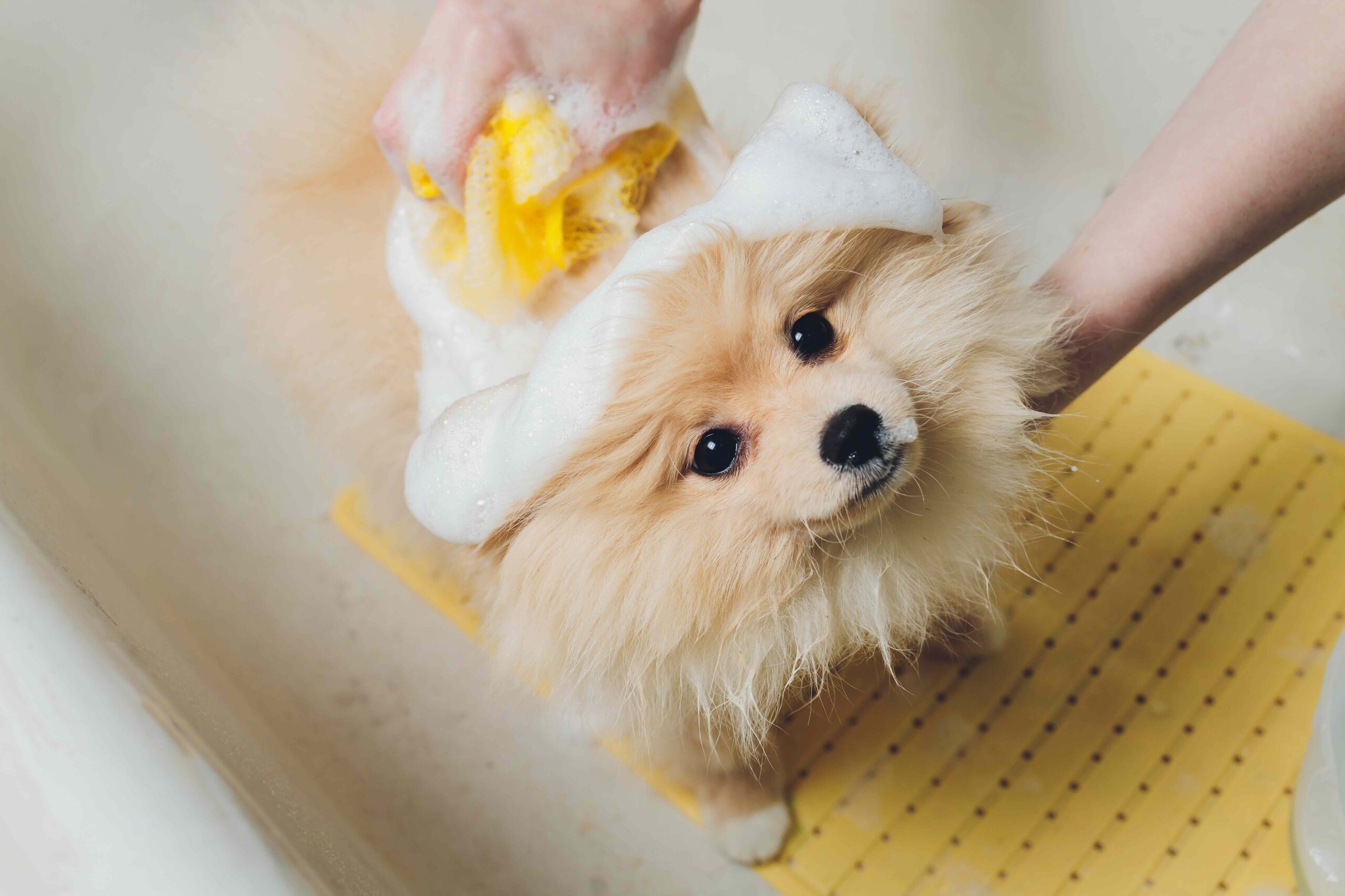
To keep their fluffy coat free from tangles and matting, Pomeranians require consistent grooming.
Skin Care
Pomeranians can have dry skin. Because of this, talk to their veterinarian about adding fish oil to their diet to help moisturize the skin.
Monitor your dog’s skin during grooming for any changes, and talk to your veterinarian if you notice any redness, flakiness, or lumps and bumps.
Coat Care
Pomeranians have very thick fur, and because of how dense and long their hair can be, routine trips to a professional groomer can be helpful to maintain coat health. A groomer can also provide a sanitary shave, which removes the hair around their rear end so waste doesn’t get caught and accumulate in the coat.
How often you bathe your dog depends on their lifestyle and medical conditions. Dogs without a history of skin disease can usually be bathed every month or two. Bathing more frequently may be necessary if your dog gets dirty or to treat skin conditions.
Between grooming appointments, Pomeranians need to be brushed at least two or three times a week. They should be brushed daily during shedding seasons (spring and fall).
Eye Care
If you have a light-colored Pomeranian, tear stains may be an issue. When this happens, use a dog-friendly eye cleaner to wipe away the discharge as needed.
Long hair around the face has the potential to get into the eyes and cause irritation and infection. Talk with your veterinarian or groomer to help trim the hairs around your dog’s eyes.
Ear Care
Because a Pomeranian’s ears are erect, they are less likely to get ear infections than floppy-eared dogs. But ear infections are still possible, and it’s important to take steps to prevent them.
After bathing your Pomeranian, you can use a vet-recommended ear cleaner that contains drying agents to remove lingering water from the ear canal.
Ask your vet the best method for cleaning your dog’s ears and schedule a checkup if you notice signs of an ear infection.
Dental Care
The best way to prevent dental disease is to brush your dog’s teeth every day. Always use a dog-safe toothpaste and toothbrush—never human toothpaste, which can be toxic for pups.
Considerations for Pet Parents
If you’re purchasing a Pomeranian puppy, make sure the parents have been genetically tested for hip, knee, heart, thyroid, and eye problems. If you are adopting a Pomeranian from a rescue or shelter, you can still work with your veterinarian to get the necessary genetic testing to learn if your dog is at risk. Certain over-the-counter dog DNA tests can also help identify potential health risks.
Pomeranians require quite a bit of grooming and upkeep for their thick coats. They’re also known for being quite vocal, so you can expect some barking. This breed is known for being a big personality in a pint-sized body, so make sure you can meet their care needs.
Also, because Pomeranians are small and fluffy like many prey species, such as rabbits, be diligent about watching them while they are outside. Predatory birds and other animals may mistake your dog for their usual prey.
Pomeranian FAQs
How much does a Pomeranian cost? Are Pomeranians expensive?
The average Pomeranian price depends on where you live, the dog’s bloodline, and the breeder you work with, among other factors. Expect to pay at least $1,500, with some Pomeranian breeders selling puppies for several thousand dollars more.
Is a Pomeranian a good family dog?
Yes. Pomeranians have a bright attitude, intelligence, and an active nature. They can make great family dogs.
However, special consideration should be given if there are or will be young children in the home. Pomeranians are small, so rough play or dropping them can cause injuries and even broken bones.
Are Pomeranians smart dogs?
Yes, Pomeranians are very intelligent.
Should I buy a teacup Pomeranian?
No. Pomeranians are already tiny dogs, and breeding them to be even smaller can cause significant health issues. Be wary about working with a breeder who claims to sell teacup Pomeranian puppies.