Why Your Cat Won’t Drink Water and What To Do


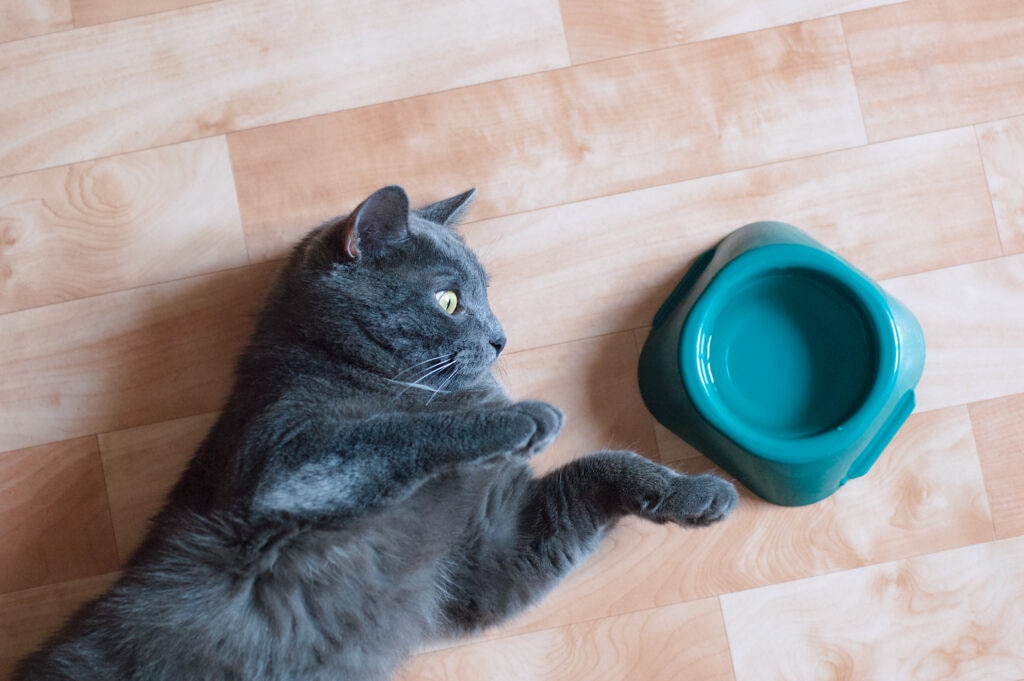
Iuliia Alekseeva/iStock/Getty Images Plus via Getty Images
If your cat won’t drink water, it may be due to diet, stress, dental pain, bowl issues, or an underlying medical condition—and prolonged low intake can quickly lead to dehydration.
Knowing how much water your cat should drink a day is dependent on a few factors, including their age and their daily diet.
It’s typically noticeable when your cat is drinking too much water, but how do you know when they’re not drinking enough?
Let’s look at everything you need to know.
Key Takeaways
- Cats may drink less water due to bowl cleanliness, stress, dental pain, or underlying medical conditions, such as kidney disease or gastrointestinal illness.
- Dehydration in cats can become serious quickly, with signs including dry gums, skin tenting, sunken eyes, vomiting, or lethargy.
- Encouraging hydration with fresh water, multiple bowl locations, canned food, or a water fountain can help—but a persistent change requires veterinary evaluation.
Why Is My Cat Not Drinking Water?
Cats may stop drinking or slow down their water intake for several reasons.
A few common ones include:
-
They have sufficient hydration. Since cats require less water than dogs, they may already be appropriately hydrated. Cats who eat a high moisture diet, such as a canned food, often drink less water because they get part of their hydration from their meals.
-
Their water bowl isn’t clean enough. Cats pride themselves on cleanliness, so it’s important to keep water bowls clean and filled with fresh water. Dust, fur, or bacteria in the bowl may cause your cat to avoid drinking from it.
- The water bowl is not in a cat-friendly place. Cats are creatures of habit, so they may not appreciate it if you change the location of their bowls. Placing water bowls in high-anxiety locations, such as near loud washing machines or around other alpha animals in the house, may also cause them to avoid drinking. Place several water bowls around the house in quiet, safe areas to tempt your cat to drink.
- Your cat may have dental disease. Tooth or mouth pain may cause your cat to stop drinking due to discomfort. Other signs of dental disease include decreased appetite, dropping food when eating, pawing at the face or mouth, facial swelling, and drooling.
-
Your cat may have a condition that causes gastrointestinal upset. Gastroenteritis, pancreatitis, inflammatory bowel diseases, cancers, and other diseases may cause your feline friend to decrease or stop water intake.
Is My Cat Not Drinking Water an Emergency?
Not drinking enough water will cause dehydration if it goes on long enough.
This is a serious condition that can even be fatal. Unfortunately, pet parents don’t always notice the signs of dehydration in cats until they become severe.
Health Tools
Get quick answers with our vet-created Symptom Checker
Signs of Dehydration in Cats
Common symptoms of dehydration in cats include:
-
Dry gums: Try to press your index finger gently into your cat’s gums and watch them turn from white back to a normal pink color. This should happen in less than two seconds. If the gums are cherry red, your finger sticks to the gums, they are very dry, or the refill time is longer than two seconds, your cat may be significantly dehydrated.
-
Increased skin tenting: Gently pinch the skin between your cat’s shoulder blades or on top of the head, pull it upward, then let go. The skin should bounce back into place within a second. If the skin remains tented any longer, your cat is likely dehydrated.
-
Sunken eyes: Your cat’s eyes will appear sunken into their head with moderate to severe dehydration.
-
Constipation: The colon’s job is to pull water out of the feces to rehydrate the body and to form stool. When the body is already dehydrated, the colon continues to dry out the stool, leading to constipation. If your cat is straining to defecate in the litter box, and there are no feces or only small, hard fecal balls, your cat may be constipated and dehydrated.
-
Persistent vomiting/diarrhea: Both processes rid a large amount of water from the body, making it difficult for your cat to maintain normal hydration. One episode of vomiting or diarrhea is likely not concerning fordehydration, but if it’s paired with other clinical signs or becomes persistent, dehydration will occur.
Any of these clinical signs can be concerning for dehydration, so it’s important to contact your veterinarian to discuss these symptoms as soon as possible.
An emergency veterinarian should be considered if your vet’s office is not open, as dehydration can occur quickly and cause severe illness in cats.
Cats with underlying health issues, such as chronic stomach upset, kidney disease, cancer, diabetes, or hyperthyroidism, are more likely to become dehydrated and need to be monitored closely if they start drinking less water.
Cats need to drink more water than usual if they are affected by severe heat, prolonged exposure to heat, or are physically active.
If you see any of the following, bring your cat to the vet:
-
Loss of appetite
-
Weakness
-
Vomiting
-
Diarrhea
-
Straining in the litter box
How Much Water Should a Cat Drink?
The Committee on Nutrient Requirements of Dogs and Cats states that cats usually drink an ounce of water for every half ounce of dry food ingested.
Most veterinarians recommend that a normal, healthy cat drink about 4 ounces (about ½ cup) of water per 5 pounds of body weight per day.
This water amount varies depending on each cat’s diet, activity level, environmental conditions, and underlying medical conditions.
You can measure the exact amount of water in the water bowl at the beginning and end of each day to monitor water intake, but keep in mind that cats often ingest water from other places, such as wet/canned food, faucets, or other pet bowls in the house.
How To Get Cats To Drink Water
When you want to tempt your cat into drinking more water, try these tips:
-
Place several bowls throughout the house. Keep them clean and refill them with fresh water several times daily to avoid dust, hair, or other contaminants.
-
Keep water bowls in quiet, calm areas away from loud noises and other animals so that your cat feels safe. This may mean changing the location of the water bowl. Show your cat where the new spot is. Remember, cats are creatures of habit.
-
Try changing the bowls from plastic to ceramic or stainless steel. This may change the flavor of the water and help control any plastic allergies.
-
Consider adding or changing to a canned food to add more hydration to your pet’s meals. You may even consider adding more water to the food, or even pet-safe chicken broth if your veterinarian deems this safe for your cat. Discuss any diet changes with your veterinarian first, as canned foods and dry food contain different types of nutrients and may vary in calories.
-
Consider a pet water fountain. Cats innately look for running water, and a water fountain provides continual fresh water. An added benefit is that you don’t need to leave your faucet trickling throughout the day. It’simportant to keep these water fountains clean, to continue providing fresh water to your cat.
When To Go To the Veterinarian
Bring your cat to the veterinarian if:
-
You have attempted all of the above tips, and your cat is still not interested in drinking water.
-
Your cat’s decreased water intake is paired with other concerning clinical signs, such as:
-
Dehydration
-
Vomiting
-
Diarrhea
-
Weight loss
-
Lack of appetite
-
Lethargy
-
Open-mouth breathing
-
Decreased or increased visits to the litter box
-
Your veterinarian will perform a thorough physical examination and will likely recommend some baseline blood work to investigate the cause of this behavior.
Why Your Cat Won't Drink Water and What To Do FAQs
Is it OK if my cat doesn't drink water but eats wet food?
If your cat can maintain their hydration by eating canned food alone, then it can be OK that they do not drink water alone.
Cats are infamously poor water consumers and often prefer their hydration to come from other sources instead of the water bowl. If your cat is dehydrated and not drinking water, contact your vet right away!
How long can a cat live without water?
Dehydration in cats will be fatal within three to four days, as the body needs water to survive. Signs of dehydration usually occur within 24 hours of when they stop drinking and are not consuming any other moisture. After 72 hours, organ failure will develop and can be fatal.
How do you hydrate a cat who won't drink water?
Hydrating a cat that won’t drink water alone can be as easy as adding water (or low-sodium broth) to their food daily, as well as only offering canned food for its excess moisture content.
Cats love running water and a pet water fountain is a great way to help encourage them to drink. When all else fails, you can leave the sink or bathtub dripping if that is their only preference.